Jhumri Tilaiya’s Famed Kalakand Earns Coveted GI Tag
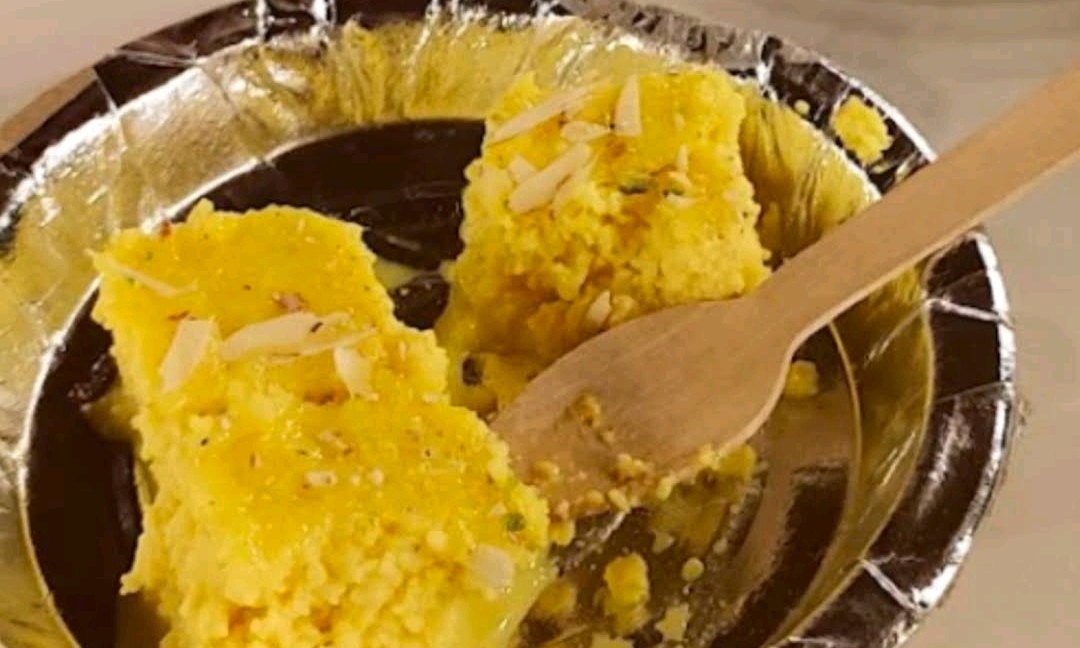
Ranchi: The “Kesariya Kalakand” of Jhumri Tilaiya, a sweet long associated with the Koderma district of Jharkhand, has officially received Geographical Indication (GI) recognition, securing legal protection for one of the state’s most beloved culinary exports.
The kalakand was among 11 products from Jharkhand granted GI status together, a batch that also included Kuchai silk saree and fabrics, Bhagaiya saree and fabrics, Dumka chadars, Panchi parhan–Panchi saree and fabrics, Jharkhand Tussar silk saree and fabrics, Jharkhand Dokra craft, tribal jewellery of Jharkhand, bamboo craft, Jharkhand Benu, and Jadopatia painting. With this addition, the state’s tally of GI-tagged items has risen to 12, up from just one in 2019.
The push for GI status wasn’t sudden. As early as June 2023, district officials in Koderma had begun laying the groundwork. Koderma’s then Deputy Development Commissioner, Rituraj, announced that meaningful steps were being taken toward GI tagging the sweet, with information being gathered directly from local kalakand producers to support the application.
History Of Kalakand In Jharkhand

The making of kalakand in Jhumri Tilaiya began in 1962, when sweet-makers Hansraj Bhatia and Mulakraj Bhatia first prepared the sweet.
These Punjabi brothers, who had arrived in Jhumri Tilaiya from the Punjab province of Pakistan after the Partition of India, set up the Bhatia Mishthan Bhandar sweet shop near Jhanda Chowk. It was here that kalakand was made for the first time, and its popularity grew steadily from there.
A GI tag is granted to products with a distinct regional identity, typically ones that have been produced in a specific geographical area for a decade or more, whether agricultural, natural, or manufactured.
The tag benefits consumers by guaranteeing authenticity and quality, while also boosting trade and tourism. Crucially, it prevents unauthorised use of the product’s name by parties outside the designated region and curbs the sale of inferior imitations in the market.
Reacting to the broader announcement, Jharkhand Chief Minister Hemant Soren called the development a matter of pride for the state, saying it reflects years of effort, skill, and traditional knowledge contributed by artisans, weavers, farmers, and tribal communities. He added that the GI tag would offer legal protection to these products, help them gain wider recognition nationally and internationally, and improve incomes for local communities.
The National Bank for Agriculture and Rural Development (NABARD) played a significant role in driving the process forward, working alongside the state government to identify and document eligible products.