Traditional Clothing Of Gujarat
Gujarat, a vibrant state in western India, is renowned for its rich cultural heritage, and its traditional clothing beautifully reflects this through bright colors, intricate embroidery, mirror work, and iconic textiles like Bandhani (tie-dye) and Patola (double ikat weaving). These garments are not just everyday wear but symbols of identity, often worn during festivals like Navratri (with Garba and Dandiya dances), weddings, and other celebrations.
Gujarati attire emphasizes comfort in the hot climate while showcasing artisanal craftsmanship.
Traditional Attire for Women
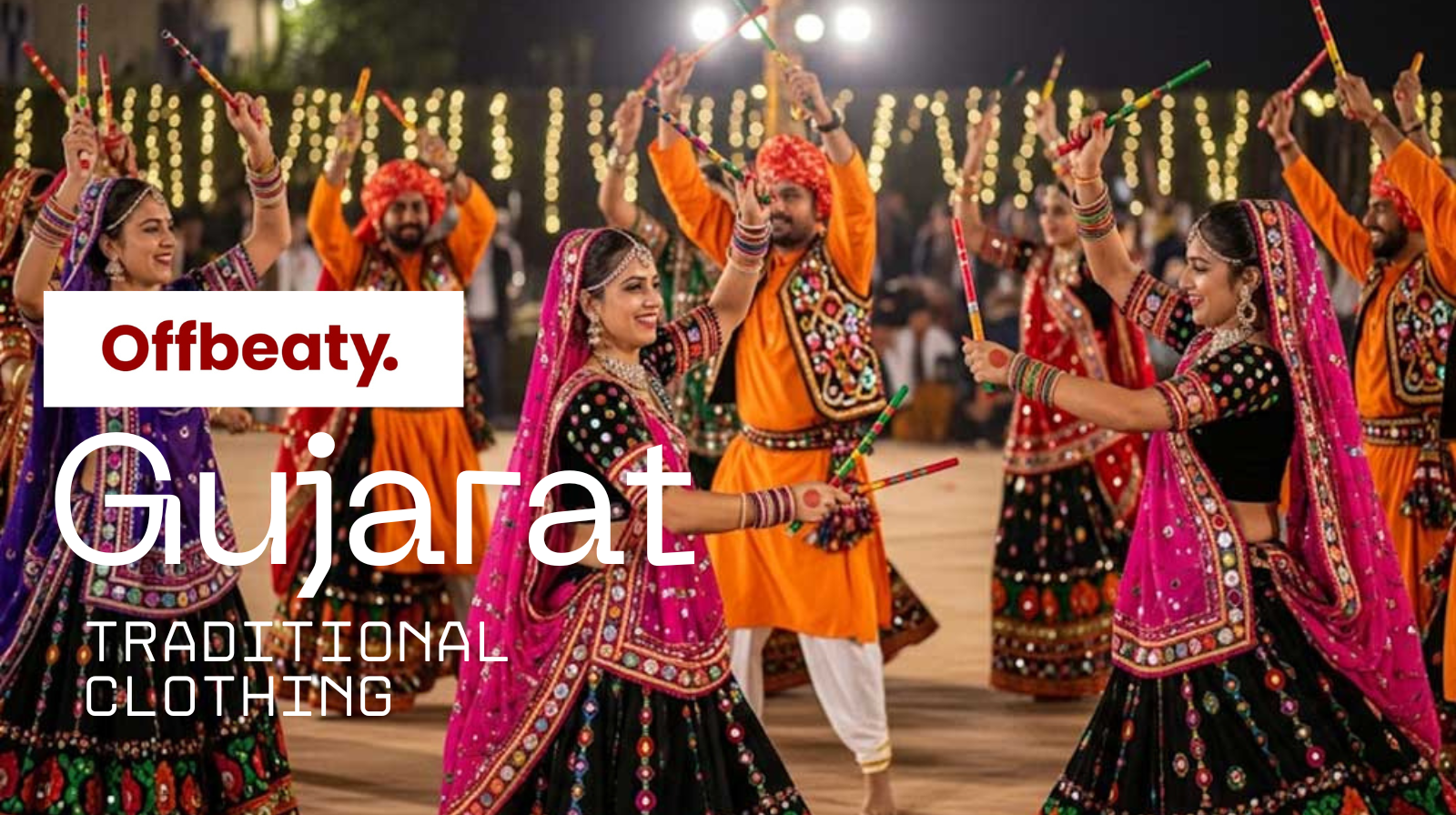
The most iconic traditional outfit for Gujarati women is the Ghagra Choli (also called Chaniya Choli). This three-piece ensemble includes:
- Chaniya/Ghagra: A flared, ankle-length skirt, often pleated and voluminous.
- Choli: A short, fitted blouse, usually with short sleeves and a low back.
- Odhni/Dupatta: A long veil or dupatta draped over the head or shoulders.
These are adorned with vibrant colors, heavy mirror work (abhla), intricate embroidery (especially in Kutch region), and tie-dye patterns. During Navratri, women wear elaborate versions to perform Garba, twirling in colorful circles.
Another staple is the Saree, often draped in the traditional Gujarati style with the pallu (end) tucked in front (seedha palla). Famous varieties include:
- Bandhani Sarees: featuring intricate tie-dye motifs.
- Patola Sarees: luxurious silk pieces with geometric patterns, handwoven using a complex double ikat technique from Patan.
These sarees are prized for weddings and special occasions due to their elegance and heritage value.
Jewelry complements the outfits, heavy silver or gold pieces like large earrings, nose rings, bangles, anklets, and maang tikka.
Traditional Attire for Men
Men’s traditional clothing is simpler yet distinctive, focusing on comfort and elegance:
- Kurta or Kediyu: A long, loose tunic, often with pleats or gathers at the waist (kediyu is a fitted, short version popular in rural areas).
- Dhoti or Chorno: A draped lower garment; dhoti is unstitched cloth wrapped around the legs, while chorno resembles stitched loose pants.
- Phento or Pagdi: A turban, often colorful and tied in regional styles.
During festivals, men wear vibrant kurtas with intricate prints or embroidery, paired with dhotis or churidar.
Cultural Significance and Textiles
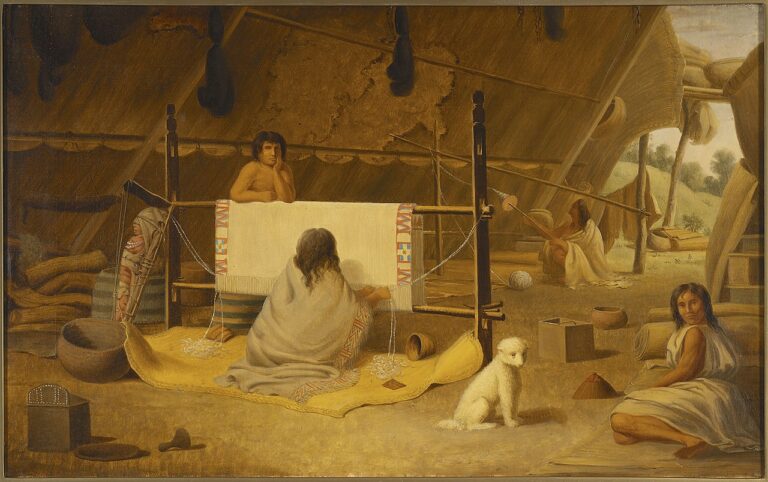
Gujarati clothing highlights the state’s textile legacy. Bandhani creates dotted patterns through resist-dyeing, while Patola involves meticulous ikat weaving passed down generations. Kutch embroidery features mirror work and motifs inspired by nature and folklore. These crafts support local artisans and preserve traditions amid modernization.
Today, while urban Gujaratis often wear contemporary clothes, traditional attire remains central to festivals, weddings, and cultural pride, blending heritage with vibrant energy.