Understanding Leather Quality: A Guide
Welcome to another article at Offbeaty. Today we delve into the nuances of leather quality, sparked by discussions around affordable belts, including those from Kanye West’s Yeezy line priced at just $40. My analysis challenges the simplistic notion that any “real leather” product is inherently superior, revealing a hierarchy of leathers and craftsmanship that determines durability, aesthetics, and value. While the article offers a broad framework, acknowledging that experts might quibble over details, it provides invaluable insights for consumers navigating a market flooded with options.
The Hierarchy of Leather: From Premium to Problematic
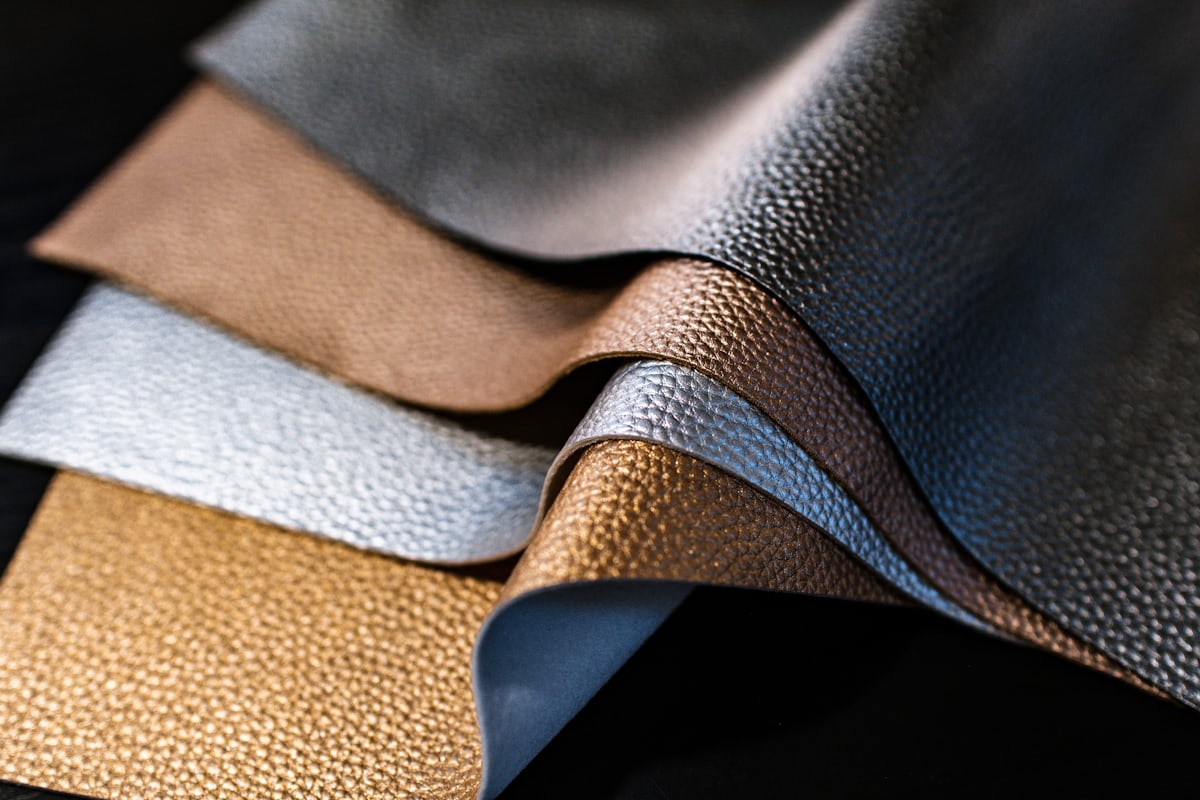
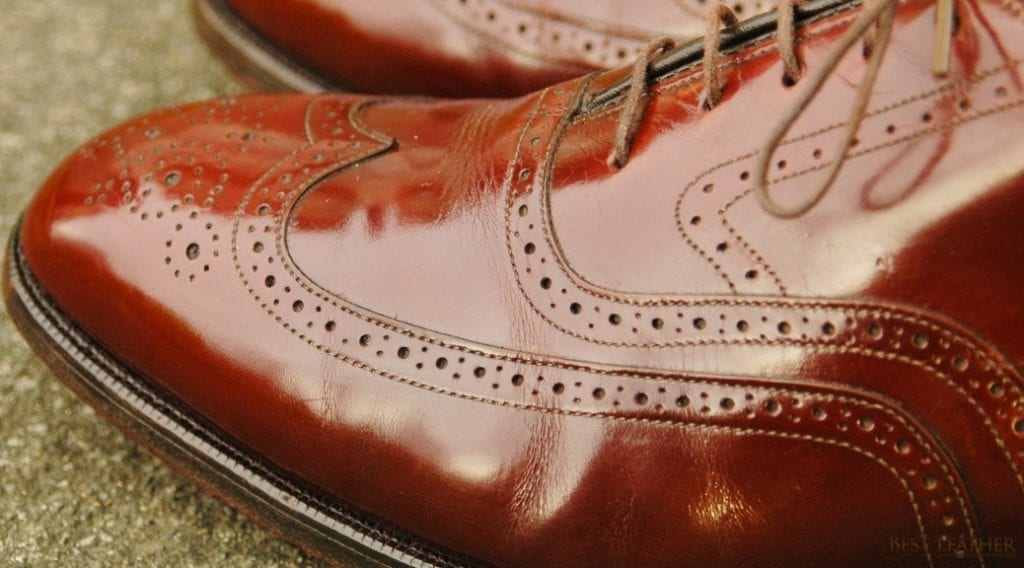
Leather isn’t a monolithic material; its quality varies based on how it’s sourced, processed, and finished. At the top of the pyramid sits full grain leather, widely regarded as the gold standard. This type retains the natural grain of the animal hide, complete with its imperfections like pores and subtle markings. Over time, full grain develops a rich patina, a deepening of color and character from wear and exposure, that many enthusiasts prize. It’s strong, breathable, and ages gracefully, making it ideal for items like belts, wallets, and jackets that see daily use.
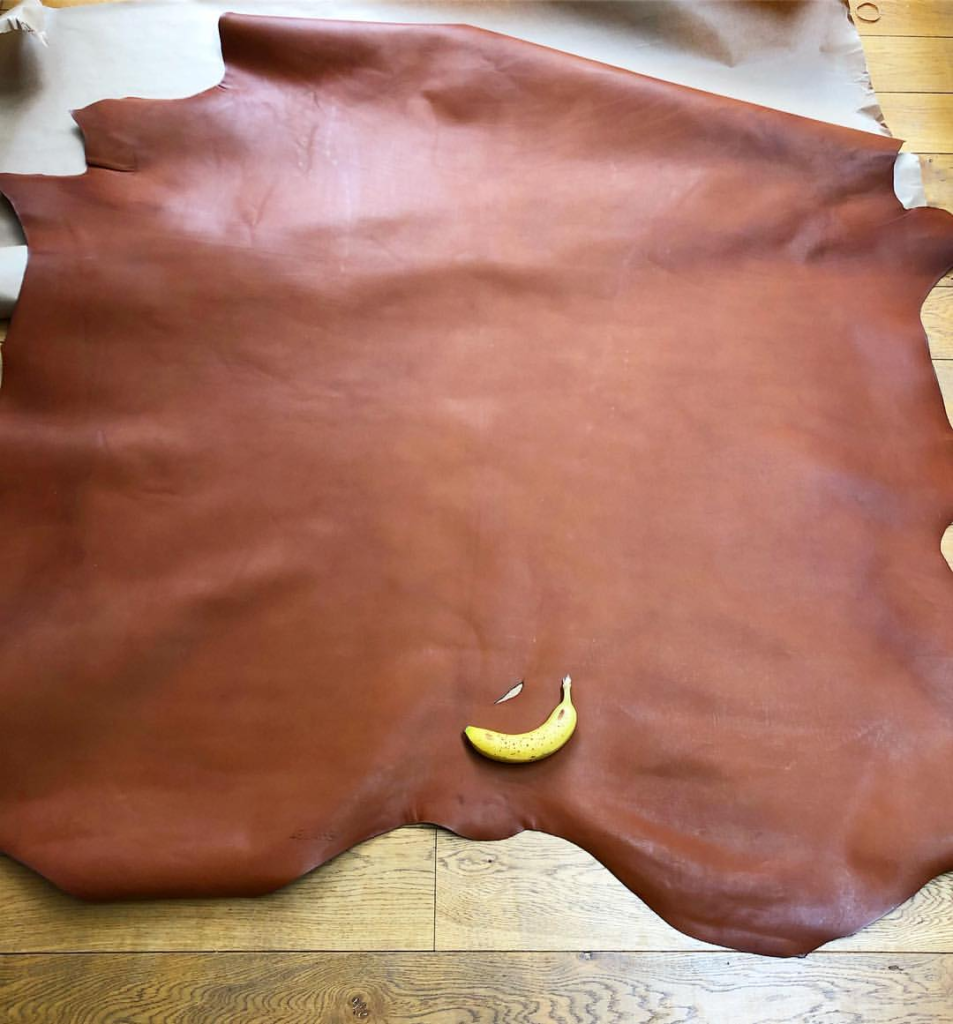
However, not every hide qualifies for full grain status. Animals can accumulate scars from bites, scratches, or environmental factors during their lifetime. When these imperfections are too pronounced, manufacturers sand down the top layer to create a smoother surface.
This results in corrected grain leather, which is then coated with chemicals or pigments for uniformity. While it achieves a polished look, corrected grain often appears artificial and plastic-like. It lacks the ability to patina naturally, and the coating can crack, flake, or peel over time, leading to premature wear. Structurally, it’s weaker because the densest fibers have been removed.
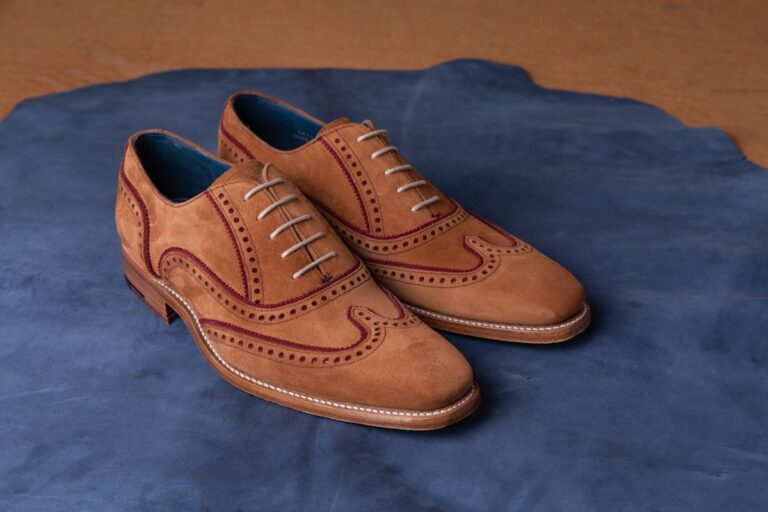
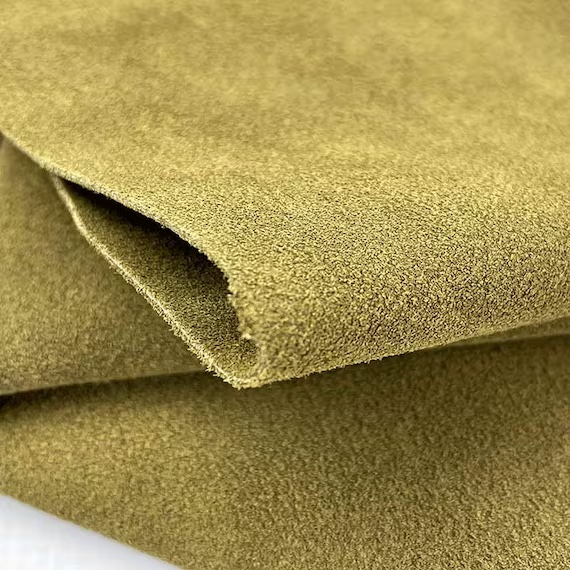
A related distinction appears in suedes. High-quality suede is often labeled as reverse calf, which is the underside of full grain leather, smooth on one side and napped on the other. In contrast, split suede comes from hides where the damaged top layer has been sanded away, leaving a spongier, less durable material that’s fuzzy on both sides. This split version is more prone to stretching and tearing, highlighting how processing decisions impact longevity.
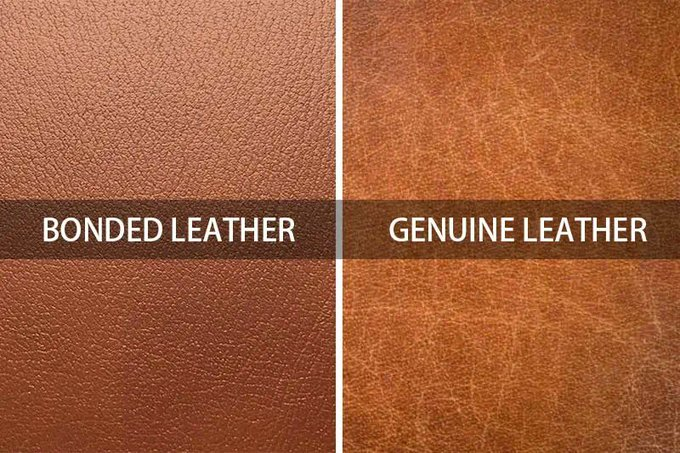
At the bottom rung is bonded leather, a far cry from the premium tiers. Made from leftover scraps ground into dust and bound with polyurethane or latex, it’s essentially a reconstituted product. Bonded leather is cheap to produce but notoriously short-lived, often delaminating or disintegrating under stress.
It draws a historical parallel to “shoddy” fabric from the U.S. Civil War era, where Brooks Brothers faced legal repercussions for supplying uniforms made from recycled rags, sawdust, and glue that fell apart in the rain. The term “shoddy” has since become synonymous with inferior quality, a fitting caution for modern bonded leather goods.
Craftsmanship Matters: The Making of a Quality Belt
Quality extends beyond the leather type to how the item is constructed. For belts, the section of the hide used is crucial. The area near the spine yields the strongest, most resilient leather, which ages well without excessive wrinkling or sagging. In contrast, cuts from the shoulder or belly are softer and more prone to deformation.
Additional elements like interlinings provide structure and prevent stretching. A high-end belt might use a real leather liner, such as Hermann Oak leather, which retails for around $23 per piece (less in bulk) for added durability. Cheaper alternatives often opt for plastic or omit reinforcements altogether.
“Real leather” belts are abundant and inexpensive, with Amazon offering options as low as $10. However, these, and by extension, Yeezy’s $40 belts, often skimp on quality.
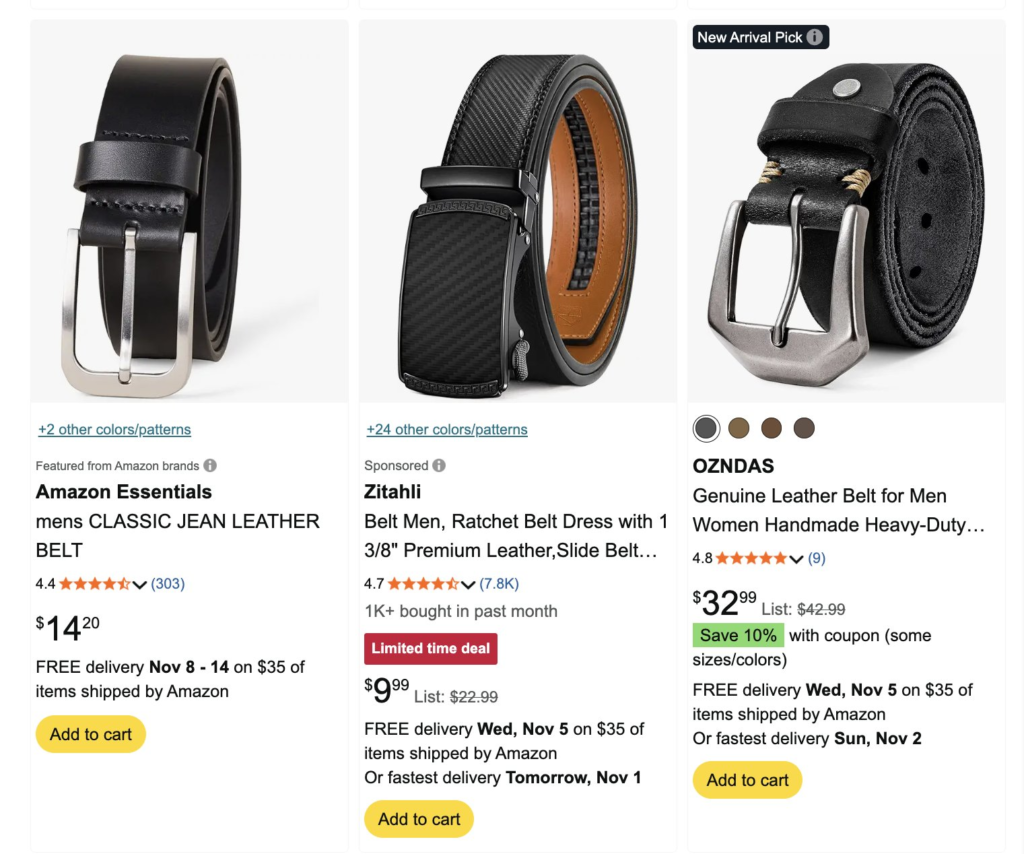
The wobbly edges on Yeezy products, comparing them unfavorably to tubular belts from artisans like Farnese (sold under the Longhi brand at retailers like No Man Walks Alone for $165). The latter boast neater construction, better materials, and superior longevity, underscoring that true value comes from craftsmanship, not celebrity endorsement.
Navigating the Market: Practical Advice for Buyers
In a sea of marketing hype, how can consumers discern quality? Start by examining the label and feel: Full grain should show natural textures, while corrected or bonded varieties feel unnaturally smooth or rigid. Test for strength by gently bending the item, premium leather rebounds without creasing sharply. Research the brand’s sourcing; reputable makers like those using vegetable-tanned hides (a slower, eco-friendlier process) often prioritize transparency.
Price is a clue but not infallible. While a $40 belt might suffice for occasional use, investing in mid-tier options ($100–$200) from trusted sources can yield items that last decades. Avoid fast-fashion pitfalls where “real leather” masks subpar production.
The Broader Implications: Sustainability and Consumer Awareness
Leather production raises ethical concerns around animal welfare and environmental impact, with tanning processes often involving harmful chemicals. Opting for higher-quality, longer-lasting items reduces waste, aligning with sustainable practices. Moreover, understanding these tiers empowers consumers to resist impulse buys driven by trends or fame.
In an era where affordability tempts quick purchases, remembering the lessons from shoddy Civil War uniforms reminds us: True quality endures. Whether you’re eyeing a belt, bag, or boots, look beyond the “real leather” tag, delve into the tiers, and invest wisely.