Timeline Of US-China Trade Tensions (2025 – Present)
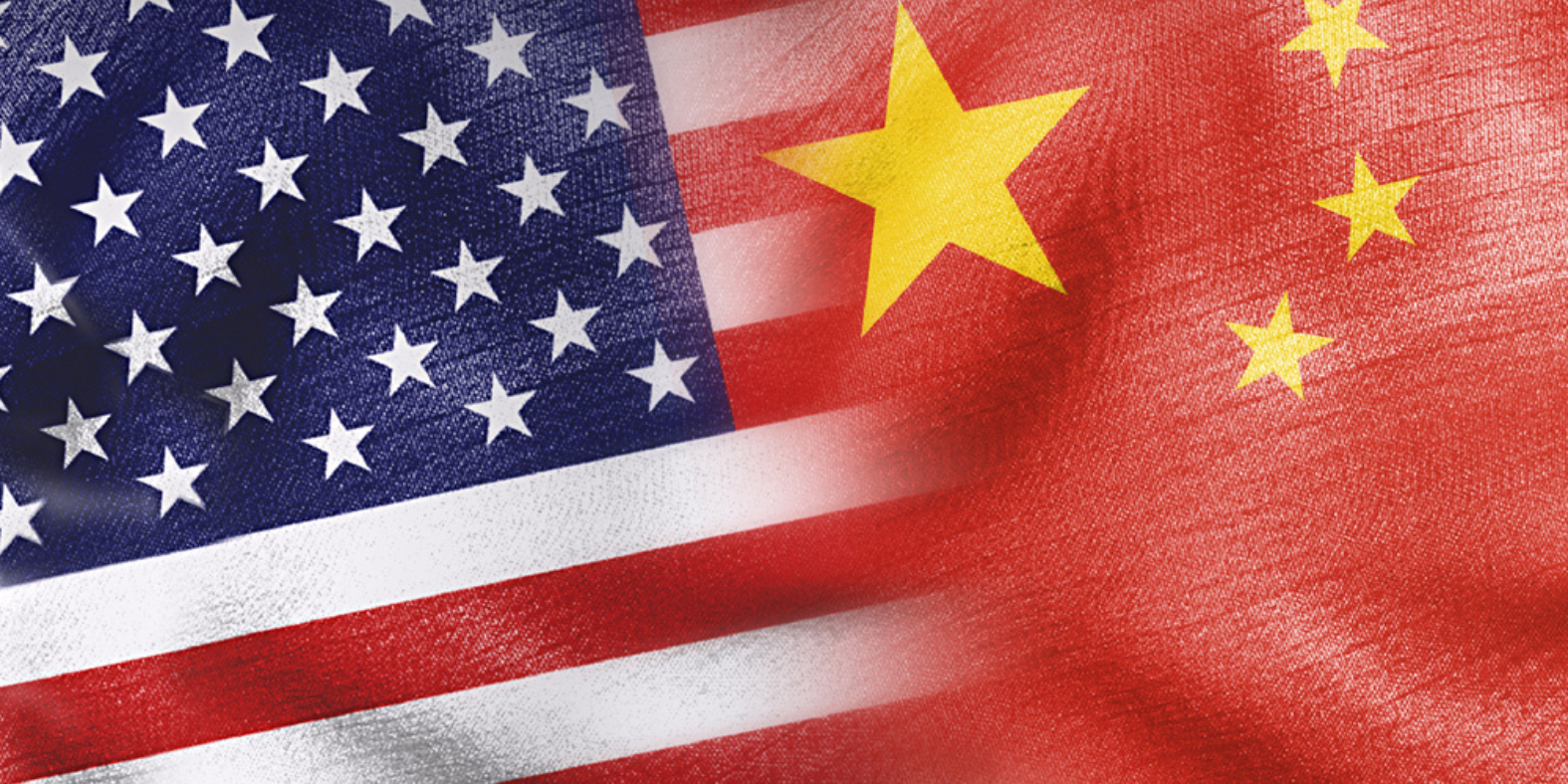
The US-China trade war intensified dramatically in 2025 following Trump’s inauguration, driven by his “reciprocal tariff” agenda, concerns over fentanyl flows, migration, trade imbalances, and strategic issues like rare earth exports and technology dominance.
This echoed but escalated the 2018–2020 trade war, with tariffs peaking at extraordinarily high levels (up to 145% on Chinese goods in some cases) before partial de-escalations through temporary truces and a longer-term agreement in late 2025.
The conflict featured tit-for-tat escalations, threats tied to non-trade issues (e.g., rare earth restrictions, fentanyl), and negotiations amid economic pressures. By early 2026, a fragile détente holds via extensions of tariff pauses and deals, though underlying tensions persist over technology controls, critical minerals, and geopolitics.
As of February 2026, bilateral trade remains strained but stabilized, with China reporting record global surpluses despite US pressures, and both sides engaging in high-level dialogue (e.g., a February 4 phone call between Trump and Xi Jinping described as “excellent”).
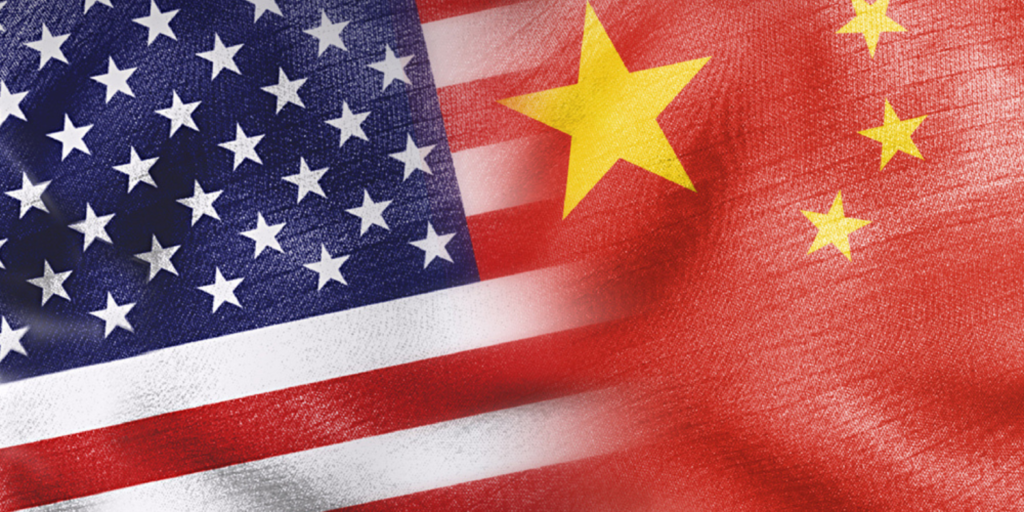
Chronological timeline of key milestones since 2025:
- January 20, 2025: Trump inaugurated; signs executive order directing reviews for new tariffs to address trade deficits and national security.
- February 1–4, 2025: Trump invokes IEEPA to impose 10% tariffs on all Chinese goods (fentanyl/migration-related), effective February 4. Ends de minimis exemption for low-value Chinese shipments. China retaliates with targeted duties.
- March 3–4, 2025: US raises China tariffs to 20% cumulative. China responds with additional retaliatory tariffs.
- April 2, 2025: “Liberation Day” tariffs announced—universal 10% on imports plus country-specific reciprocal rates. For China, escalates to 34% (on top of prior), later raised amid retaliation.
- April 9, 2025: Trump raises reciprocal tariff on China to 104% (cumulative duties approach 145% in peaks). China hits back with up to 125% on US goods.
- May 12, 2025: Major truce—US and China agree to 90-day tariff reduction (US extra duties to 30%, China to 10%). Keeps fentanyl tariffs in place. Negotiations in Geneva/London yield partial rollbacks.
- June–July 2025: Truce extended; talks in Stockholm. Trump threatens further hikes if no progress on fentanyl/rare earths.
- August 11–12, 2025: Another 90-day extension to November 10, halting planned escalations (e.g., to 125% reciprocal). Trump threatens 100–200% if China restricts rare earth magnets.
- August 26–29, 2025: High-level talks in Washington; optimism for extension.
- October 10–26, 2025: Trump threatens additional 100% tariff over rare earth controls. Framework deal averts it.
- October 30, 2025: Landmark truce in Busan/South Korea (Trump-Xi meeting). US trims tariffs (fentanyl to 10%); suspends heightened reciprocal duties and certain export controls (e.g., affiliates rule). China suspends retaliatory tariffs, resumes US soybean purchases, eases rare earth restrictions, and commits to fentanyl crackdown.
- November 1–10, 2025: White House fact sheet formalizes deal. Extends Section 301 exclusions to November 2026; one-year suspension of heightened tariffs (10% reciprocal remains). Port fees on vessels suspended.
- December 23, 2025: USTR concludes Section 301 probe on Chinese semiconductors; delayed tariffs set for 2027 (starting 0%, rising to 18%+).
- Late 2025–Early 2026: China reports record $1+ trillion global trade surplus in 2025, with exports surging elsewhere despite US curbs. US imports from China drop sharply (China’s share falls to ~9%).
- February 2026 (as of early February): Truce extensions hold through November 2026. Trump-Xi phone call (February 4) reaffirms cooperation. US pushes allies for critical minerals bloc/price floors to counter China. Ongoing litigation over IEEPA authority (Supreme Court case pending). Relations stable but tense—focus on rare earths, AI/tech controls, agriculture purchases. No major new escalations; Trump plans China visit in April.
The 2025 war caused significant short-term disruptions (e.g., supply chain shifts, higher costs), but China’s diversification mitigated impacts, while US efforts aim to reduce reliance on Chinese critical minerals/tech.
As of February 2026, the détente provides breathing room, but experts warn of volatility if talks falter or geopolitical flashpoints (e.g., Taiwan, fentanyl) reignite. Bilateral trade dynamics remain a core driver of global economic uncertainty.