
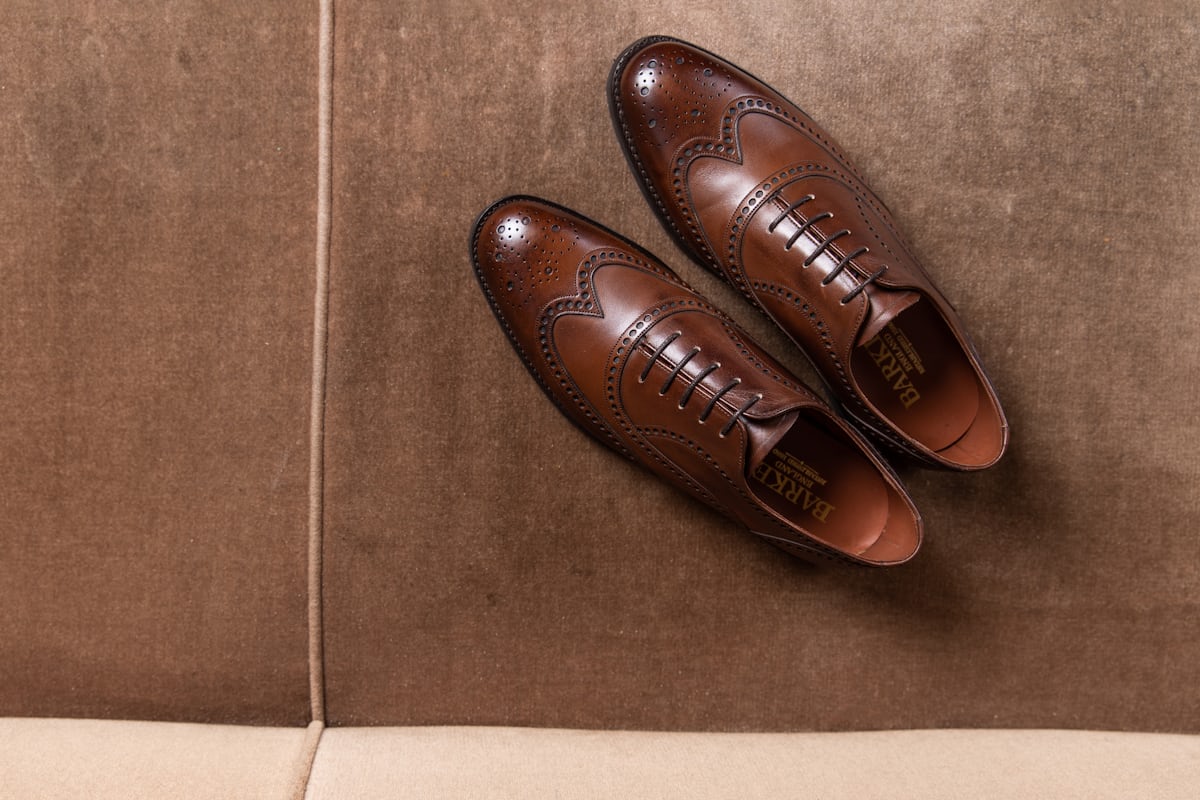
The Great Debate: Oxfords vs Derbies
Inspired by a photo of Eric Trump sitting on stone steps in a navy blazer, light blue tie, white trousers, and brown lace-up shoes, I recounted a six-month-long argument on a menswear forum that got so heated, it led to a lifetime ban for one participant. The culprit? A seemingly innocuous choice in footwear that touches on the heart of classic men’s style: when and how to wear oxfords versus derbies.
This article dives into the essence of that thread, exploring the history, rules, and practical advice for navigating men’s shoes. Whether you’re building a wardrobe or just curious about why shoes matter, let’s lace up and get into it.
It all started with a simple question in the quoted post: “What is Eric doing?” Accompanied by an image of him perched casually on steps, dressed in what appears to be a semi-formal outfit. But for menswear enthusiasts, the real focus was on his feet, brown oxford shoes paired with white trousers and a blazer. This combination ignited my memory of endless debates over shoe formality.
Menswear is full of “coded language.” Navy suits pair with black oxfords because that’s the traditional uniform of London businessmen, evoking formality. Brown tweeds go with brogues for a country casual vibe. These pairings aren’t arbitrary; they’re rooted in history and communicate levels of dressiness.
Understanding the Basics: Oxfords vs. Derbies
At the core of the debate is the distinction between oxfords and derbies, two lace-up shoe styles that look similar but carry different connotations.
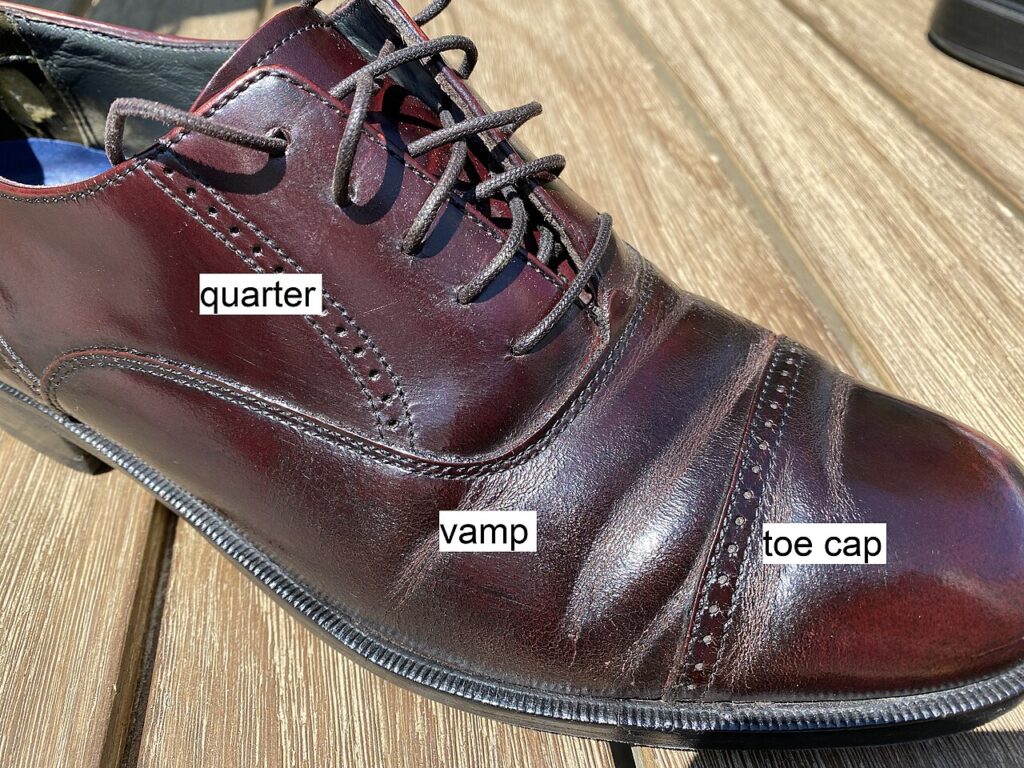
- Oxfords: These feature “closed lacing,” where the eyelet tabs (facings) are stitched under the vamp (the front part of the shoe). This creates a sleek, streamlined look. Historically, oxfords are the more formal option, often in black calfskin, and were even worn with balmoral boots (high-top versions) for weddings in the past.
- Derbies: In contrast, derbies have “open lacing,” with the facings stitched on top of the vamp, making them easier to adjust and more comfortable for wider feet. They’re considered casual, originally designed for sports or labor, and come in materials like suede or with broguing (decorative perforations).
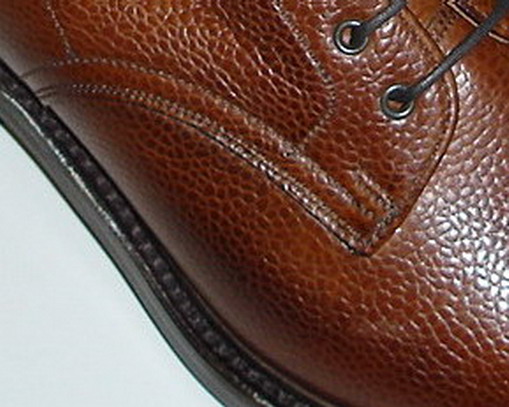
The formality scale in shoes mirrors that in clothing: black is dressier than brown, smooth calfskin over suede or grain, and plain designs over brogued ones. Even if you’re new to this, intuition kicks in, would you wear black oxfords or brown hiking boots to a funeral? Most would choose the former.
Historical Context and Proper Pairings
From the 1930s to the 1980s, the golden era of classic tailoring, oxfords were almost exclusively worn with suits, especially sleek worsted wool ones for city wear. Historical photos show businessmen in suits with polished oxfords, reinforcing their formal status.
However, men have always pushed boundaries. Derbies sometimes appeared with suits as a way to dress down, much like today’s sneakers with tailoring. Loafers, chukkas, and boots also mixed in, especially when suits were everyday attire rather than special-occasion pieces.
The key rule: Reserve oxfords for suits. With sport coats (more casual jackets) and trousers, opt for derbies, loafers, or boots. Rare exceptions, like menswear writer Bruce Boyer pulling off oxfords with sport coats effortlessly. But generally, mismatching formality, like oxfords with jeans, creates a “twee 2010 Tumblr vibe” that’s more awkward than stylish.
For example, a navy suit shines with black oxfords for a polished, professional setting. On the flip side, a sport coat with patterned trousers pairs beautifully with brown derbies, blending casual elegance.
Counterarguments and Exceptions
Forum debaters argued that other shoe elements, ike broguing or suede, could make oxfords less formal and suitable for casual outfits. Brown suede oxfords are indeed less dressy than black calf ones. Yet, he maintains that the overall outfit suffers when oxfords are forced into non-suit scenarios. A bright orange oxford with a casual ensemble? Better swap for penny loafers or derbies.
Many buy oxfords thinking they’re the pinnacle of style, even if their wardrobe is casual. Instead, match shoes to your lifestyle, if suits are rare, invest in versatile casual options like loafers or boots that work across outfits.
Practical Advice for Your Wardrobe
If you’re shopping for shoes:
- Assess your wardrobe’s formality. Frequent suit-wearer? Go for oxfords.
- Lean casual? Prioritize derbies, loafers, chukkas, or boots.
- Remember versatility: Casual shoes can elevate with suits, but oxfords rarely downgrade gracefully.