The Decline Of American Bespoke
In the iconic 1946 film It’s a Wonderful Life, James Stewart portrays George Bailey, a man whose humble life is marked by self-sacrifice and community spirit. But beyond the heartfelt story, the movie stands out for its timeless menswear. Stewart’s character dons outfits that exude classic elegance: high-waisted trousers, well-proportioned suits, and long overcoats that have aged remarkably well.
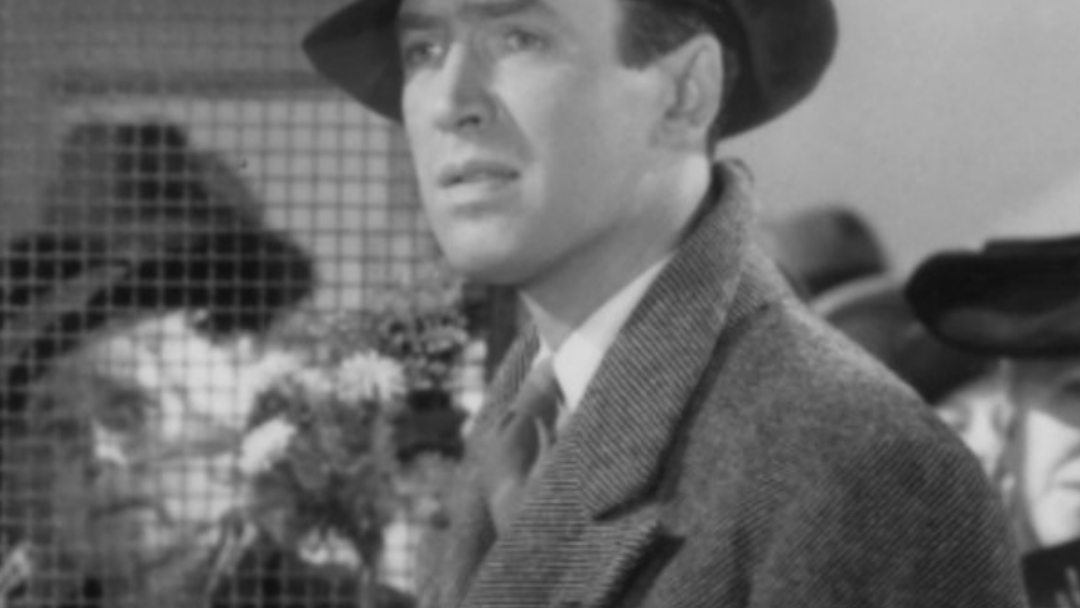
A viral post on X (formerly Twitter) posed the question: “Men, what’s stopping you from dressing like this?” accompanied by an image of Stewart in a herringbone overcoat, fedora, and tie, standing at a bank counter with a crow perched nearby.
The scene captures Stewart in a double-breasted overcoat made from heavy wool, paired with a suit that features a soft lapel roll and perfect fit, hallmarks of bespoke tailoring.
But replicating this look today is far from straightforward. The barriers aren’t just about style preferences; they’re rooted in economic, cultural, and systemic issues that have eroded the craft of traditional tailoring.
The Allure of Classic Menswear
It’s a Wonderful Life wasn’t always a holiday staple. Released in the postwar era, it faced FBI scrutiny for alleged communist undertones due to its critique of greedy bankers and emphasis on communal welfare. Screenwriters suspected of leftist sympathies added to the suspicion, though no formal action was taken.
For fashion enthusiasts, the film’s wardrobe is a highlight. Stewart’s suits include unconventional elements like a peak-lapel single-breasted tweed with multiple patch pockets, but the overall aesthetic remains enduring. The trousers sit high, creating a balanced silhouette when the coat is buttoned. The overcoat extends below the knees for practical warmth, with lapels that avoid trendy extremes. These garments, likely bespoke and hand-tailored, were fitted through multiple sessions to achieve their flawless drape and comfort.
In motion, the clothes shine even more, allowing fluid movement without restriction, thanks to high armholes and substantial fabrics. This quality is hard to find in modern ready-to-wear options, which often prioritize trends over timeless craftsmanship.
The Decline of Bespoke Tailoring in America
The primary obstacle? Access to true bespoke tailors. Bespoke means custom-made from scratch, refined over fittings, unlike made-to-measure (MTM) services that adjust pre-existing patterns. The rise of ready-to-wear in the 19th century and postwar sportswear boom decimated America’s domestic bespoke industry. Today, most “custom” shops outsource to overseas factories, producing shorter, tighter garments from lighter materials that lack the heft and structure of Stewart’s attire.
Even in hubs like New York City or San Francisco, genuine bespoke options are scarce. Skyrocketing rents make it tough for tailors to operate affordably. Customers have price limits, few will pay $10,000 for a suit, necessitating broader solutions like affordable housing and commercial real estate to sustain these businesses.
Training new tailors is another hurdle. Mastering the craft takes a decade or more, often in poverty without health insurance. America’s culture idolizes entrepreneurs over artisans, lacking the support systems like universal healthcare that could nurture skilled tradespeople. A shift in values, emphasizing craftsmanship over wealth accumulation, is essential.
Global Challenges and Border Barriers
Many enthusiasts turn to international tailors from the UK, Italy, Japan, or South Korea, who tour U.S. cities periodically. However, even this faces obstacles. Tailors report harassment at borders, with luggage and essential tools like swatch books seized, issues exacerbated under policies from the Trump administration.
Once completed, importing the garments incurs tariffs: 10-20% on most items, up to 50% on cashmere blends common in overcoats. These added costs make bespoke even less accessible.
Location compounds the problem. Most men aren’t in major cities, limiting exposure to these services. Globally, liberalism has promoted casual dress, replacing formal attire like frock coats with lounge suits, only to later sideline suits altogether. Practical factors play a role too: heavy wool isn’t ideal for centrally heated environments, requires special care, and competes with rising costs in housing and education, leaving less disposable income for quality clothing.
Cultural Stigmas and Broader Implications
Beyond logistics, societal norms deter men from embracing such styles. Expressing interest in fashion can invite judgments about masculinity or sexuality. Expanding definitions of gender norms could help dismantle these barriers.
Ultimately, dressing like Jimmy Stewart isn’t just about buying clothes, it’s about reviving a lost ecosystem of craftsmanship, affordability, and cultural acceptance. Until systemic changes address housing crises, healthcare gaps, trade policies, and societal attitudes, this classic look remains a nostalgic ideal rather than an everyday reality.
For those inspired, alternatives exist: ready-to-wear versions can approximate the style, though without bespoke’s nuances. Exploring vintage shops or ethical MTM options might bridge the gap, but true replication demands addressing the deeper issues.