Shahtoosh: The Most Expensive Wool With A Tragic Twist
Shahtoosh wool, often called the “king of wools,” represents one of the most extraordinary yet tragic chapters in the world of luxury textiles. Derived from the Persian words shah (king) and toosh (wool), shahtoosh has long symbolized ultimate elegance, warmth, and exclusivity. Yet its story is inseparable from environmental devastation, international bans, and an ongoing black market.
Shahtoosh comes from the ultra-fine undercoat of the chiru (also known as the Tibetan antelope or Pantholops hodgsonii), a graceful wild animal native to the high-altitude Tibetan Plateau. Unlike cashmere (from domesticated goats) or vicuña wool, shahtoosh fibers are exceptionally thin, about one-fifth the diameter of a human hair, often measured at 9–12 microns or less. This makes the fabric incredibly soft, lightweight, and warm, capable of passing through a finger ring (earning some shawls the nickname “ring shawls”).
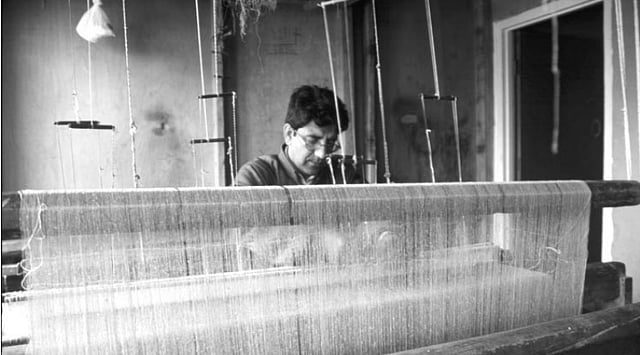
A typical shahtoosh shawl weighs around 150–200 grams yet provides remarkable insulation against extreme cold. Artisans in Kashmir traditionally weave it by hand in plain or diamond patterns (like chashme bulbul, meaning “eye of the nightingale”). The result is a near-weightless garment that drapes beautifully and feels like a second skin.
Historically, shahtoosh enjoyed royal patronage. Mughal Emperor Akbar in the 16th century prized it highly, incorporating it into imperial wardrobes. For centuries, it remained a status symbol among elites in India, Pakistan, and beyond, often passed down as heirlooms or included in dowries.
How Shahtoosh Is Obtained
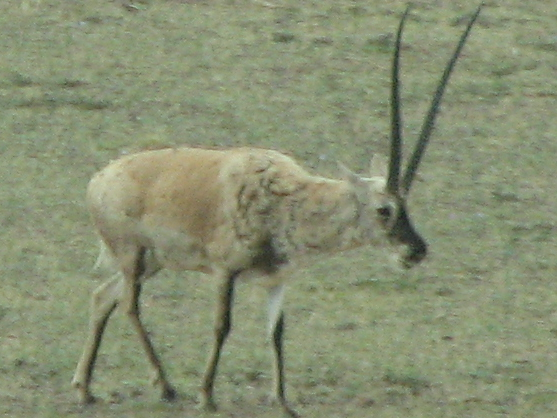
Unlike sheep, goats, or even vicuñas (which can be sheared live), chiru are wild, undomesticated animals that cannot be farmed or shorn without killing them. Poachers hunt them, skin them, and extract the fine belly and throat wool. It takes the undercoat from 3 to 5 chiru to produce a single medium-sized shawl.
This brutal process drove catastrophic population declines. In the mid-20th century, an estimated 1 million chiru roamed the plateau. By the late 1990s, numbers had plummeted to as low as 45,000–75,000 due to rampant poaching fueled by international demand for shahtoosh luxury items.
The Global Ban
Recognizing the crisis, the chiru gained protection under CITES (Convention on International Trade in Endangered Species) starting in 1979, with the species listed in Appendix I (banning commercial trade). In India, the Wildlife (Protection) Act also classified chiru under Schedule I, offering the highest level of protection.
Poaching peaked in the 1980s–1990s, but aggressive enforcement, anti-poaching patrols, and international pressure helped the population recover. By the 2010s, chiru numbers rebounded to around 150,000 or more, leading to a downgrade from critically endangered to near threatened status in 2016.
Despite earlier restrictions, weaving continued in some areas until recent developments. In late 2025, India’s Supreme Court ordered an immediate nationwide ban on shahtoosh production and trade, closing remaining loopholes in Jammu & Kashmir’s wildlife laws.
Even with strict prohibitions, shahtoosh persists in shadowy luxury circles. Shawls can fetch $5,000–$20,000+ on the black market, often mislabeled as “pashmina” or “cashmere” to evade detection. Organized trafficking networks smuggle them across borders, with recent reports (including 2025 investigations) highlighting continued illegal trade from India, Nepal, Pakistan, and beyond.
Conservationists emphasize sustainable alternatives like responsibly sourced cashmere, yak wool, or vicuña (from managed, live-sheared populations). Efforts have even explored chiru domestication in India to potentially allow ethical, shorn fiber in the future, but this remains experimental and distant.