Love Story Of Brits & Flat Caps
The British flat cap is one of the most enduring symbols of British headwear, practical, versatile, and deeply tied to the nation’s social and cultural history. From its roots as working-class necessity to its modern status as a stylish accessory worn by everyone from countryside gents to celebrities, the flat cap remains a quintessentially British item.
The flat cap’s story begins in Northern England (with strong ties to Scotland and Ireland too), where it emerged as everyday headwear. Its early origins trace back to the Middle Ages, but it gained official recognition in 1571 when the English Parliament passed the Cap Act (part of efforts to support the wool trade).
This law required all non-noble males over the age of six to wear woollen caps on Sundays and holidays, or face a fine. While the act was repealed in 1597, the style stuck and became a marker of the common man: tradesmen, apprentices, and workers.
By the 19th and early 20th centuries, flat caps were ubiquitous across Great Britain and Ireland. Made from durable wool or tweed, they offered protection against the notoriously damp and chilly British weather.
They were especially associated with the working class, factory workers, farmers, dockers, and miners in industrial regions like Yorkshire and Lancashire. In popular culture, the flat cap became a shorthand for “everyman” British masculinity, often linked to Yorkshire or broader working-class identity.
Interestingly, the cap crossed class lines. Wealthier men adopted plainer or finer versions for country pursuits like shooting, fishing, and riding, a casual, “toff” affectation that let the upper classes blend in without losing status. By the 1920s, flat caps even appeared in school uniforms and gained popularity among newsboys (leading to the American term “newsboy cap” for paneled versions).
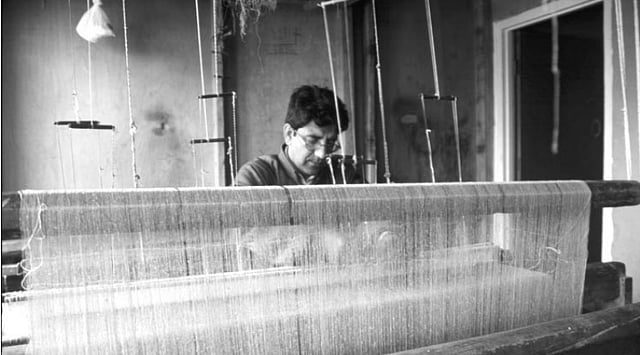
In British culture, the flat cap carries layered meanings. It can evoke gritty, northern working-class heritage, think factory towns or old black-and-white photos of mill workers. Yet it also signals understated countryside elegance when paired with tweed jackets or Barbour coats.
The cap’s popularity surged again in recent decades, boosted by figures like David Beckham, Guy Ritchie, and even royalty (King Charles III has been spotted in one). The hit series Peaky Blinders introduced a sharper, more stylized version (often with razor blades sewn in, purely fictional drama flair) to a global audience, sparking a wave of modern interest.
Today, it’s genuinely classless: worn casually with jeans, smart with tailoring, or for outdoor activities. Brands like Christys’ London, Hanna Hats, Cordings, and Failsworth keep the tradition alive with British-made options.
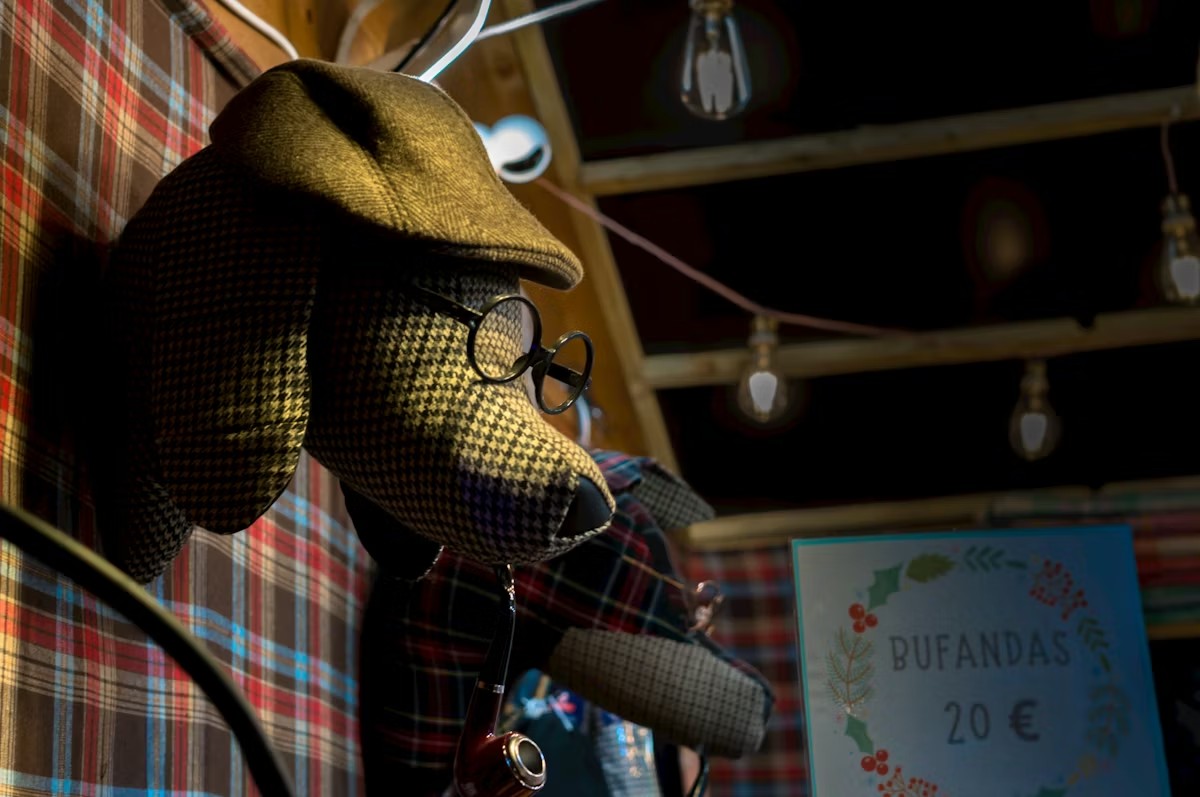
Featured Image: Unsplash