GI Tags Shared Between Multiple States
India’s Geographical Indication (GI) system protects products with unique qualities, reputation, or characteristics linked to their geographical origin. While most GI tags are state-specific, several are shared across multiple states or regions, reflecting shared cultural, climatic, or historical ties. These multi-state GIs often involve transboundary agricultural zones, tribal art traditions, or crops spanning borders.
The selection below features notable shared GI tags across India, covering handicrafts, agricultural products, and more. They highlight how India’s diverse geography fosters collaborative heritage preservation.
Handicraft Products
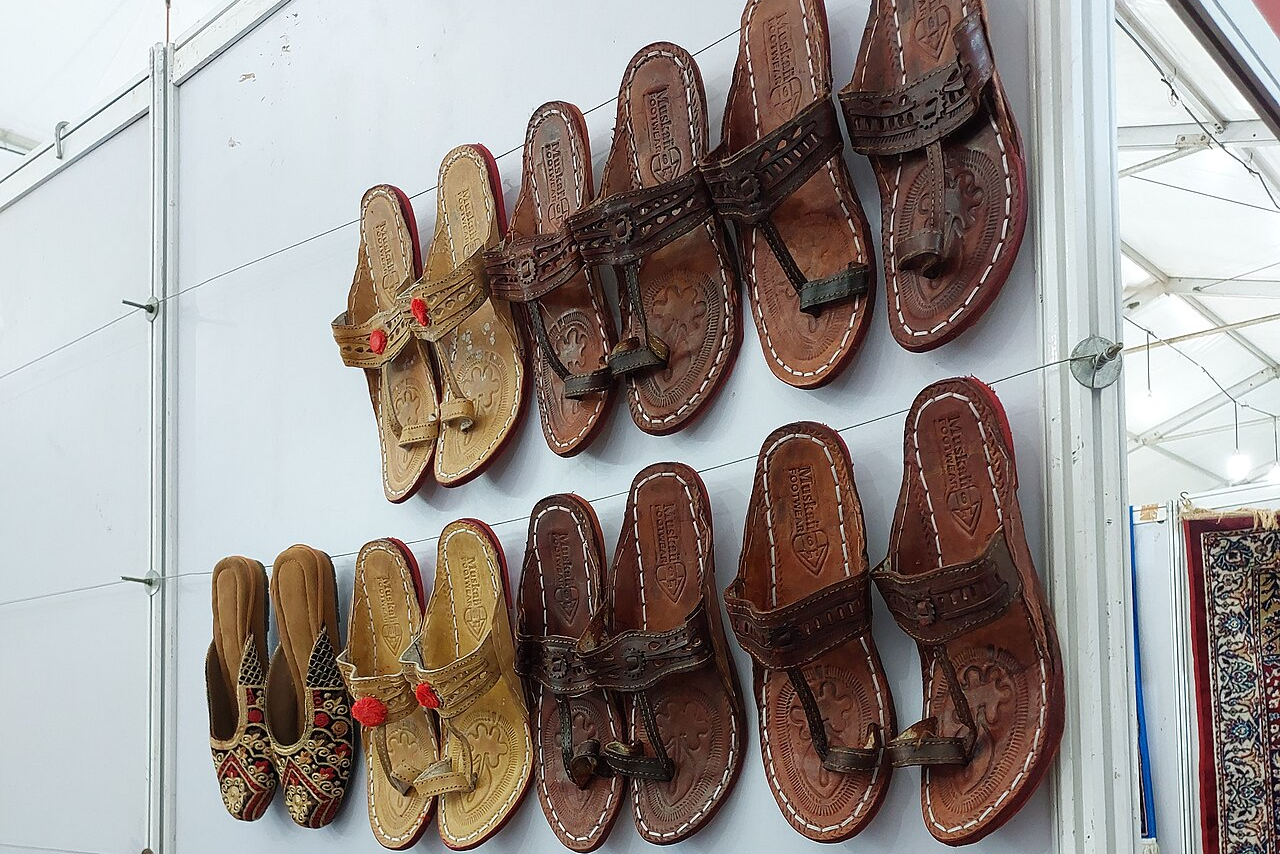
- Kolhapuri Chappal (Registered 04.05.2009)
Iconic handmade leather sandals (chappals) from the Kolhapur-Sangli region, shared between Karnataka and Maharashtra. Known for their sturdy buffalo-hide construction, intricate punched designs, open-toe style, and natural vegetable tanning. A symbol of rural craftsmanship, they’re durable, breathable, and culturally significant in festivals and daily wear. - Warli Painting (Registered 06.07.2011)
Ancient tribal art form using white rice paste on red ochre or mud-coated walls (now on cloth/paper), shared across Maharashtra, Gujarat, Dadra & Nagar Haveli, and Daman & Diu. Depicting daily life, nature, harvest festivals, and geometric patterns (triangles, circles, squares representing elements like mountains, sun, moon). Practiced by Warli tribes, it preserves indigenous storytelling and eco-harmony. - Phulkari (Registered 14.03.2005)
Embroidered textiles (shawls, dupattas, odhnis) using silk floss (pat) in geometric floral motifs (“phulkari” means flower work), shared among Punjab, Haryana, and Rajasthan. Hand-stitched on handwoven khaddar or cotton, with vibrant colors and dense patterns symbolizing prosperity and joy, especially in bridal trousseaus and festivals. - Assam Mishing Handloom Products (Registered 26.10.2022)
Traditional handwoven textiles from the Mishing community, shared between Assam and Arunachal Pradesh. Featuring geometric motifs, natural dyes, and cotton/eri silk weaves for mekhela chadors, shawls, and bags—reflecting tribal identity, riverine life, and sustainable practices.
Agricultural Products
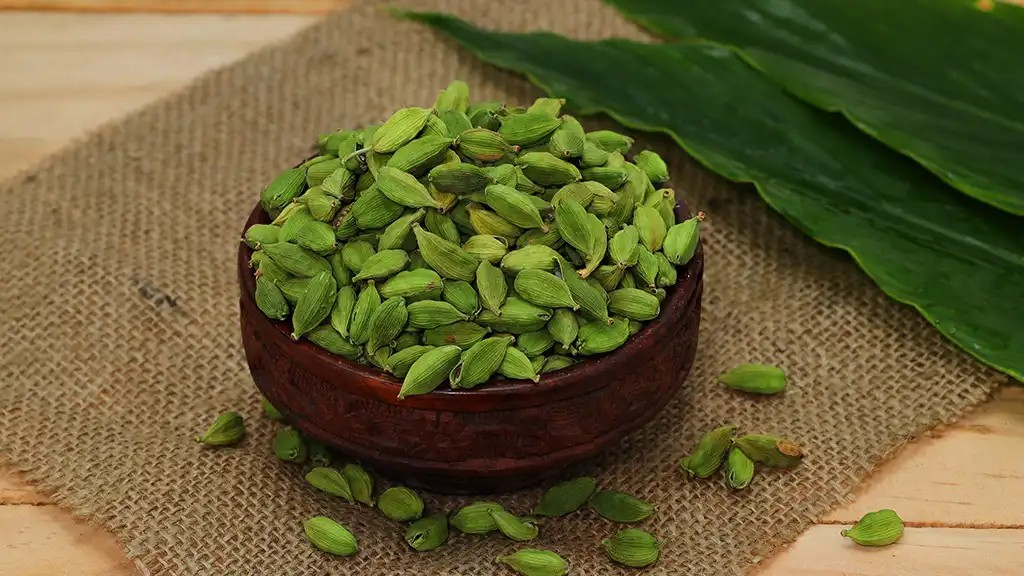
- Alleppey Green Cardamom (Registered 14.09.2006)
Premium green cardamom (small, round capsules with intense aroma) from the Western Ghats, shared between Kerala and Tamil Nadu. Known for high oil content, bright green color, and spicy-sweet flavor, ideal for teas, sweets, and medicine; its quality stems from misty hills and shade-grown cultivation. - Malabar Pepper (Registered 13.02.2006 / 20.07.2006)
World-famous black pepper (“black gold”) from the Malabar coast, shared across Kerala, Karnataka, and Tamil Nadu. Bold, pungent berries with high piperine content, aromatic oils, and bold flavor, harvested traditionally, it’s prized globally for culinary and medicinal uses. - Nagpur Orange (Registered 03.08.2012)
Sweet, juicy oranges (Nagpuri/Santara) with thin peel and seedless varieties, shared between Maharashtra and Madhya Pradesh. Thriving in black soil and semi-arid climate, they’re known for vibrant color, tangy-sweet taste, and high vitamin C, a winter staple and export favorite. - Bundelkhand Kathiya Gehu (Wheat) (Registered 24.01.2022)
Hardy wheat variety from the Bundelkhand region, shared between Uttar Pradesh and Madhya Pradesh. Drought-resistant with high protein/gluten content, suitable for chapatis and rotis, adapted to rocky, rainfed soils for resilience and nutritional value. - Araku Valley Arabica Coffee (Registered 01.01.2018)
Organic shade-grown Arabica coffee from tribal areas, shared between Andhra Pradesh and Odisha. Mild, fruity notes with low bitterness due to high-altitude estates and eco-friendly practices, promoted as forest coffee with rich aroma. - Monsooned Malabar Arabica Coffee (Registered 05.04.2007) and Monsooned Malabar Robusta Coffee (Registered 12.10.2007)
Unique “monsooned” process (exposure to monsoon winds/humidity for mellowing acidity) from coastal regions, shared between Karnataka and Kerala. Arabica offers nutty, earthy flavors; Robusta is bold and full-bodied—distinct from regular coffees due to aging-like transformation. - Dalle Khursani (Registered 10.12.2018)
Fiery, round cherry-like chilli with intense heat and fruity aroma, shared between Sikkim and West Bengal (Darjeeling hills). High capsaicin content, used in pickles, chutneys, and local cuisine, valued for medicinal properties and unique pungency. - Banaganapalle Mangoes (Registered 07.09.2011)
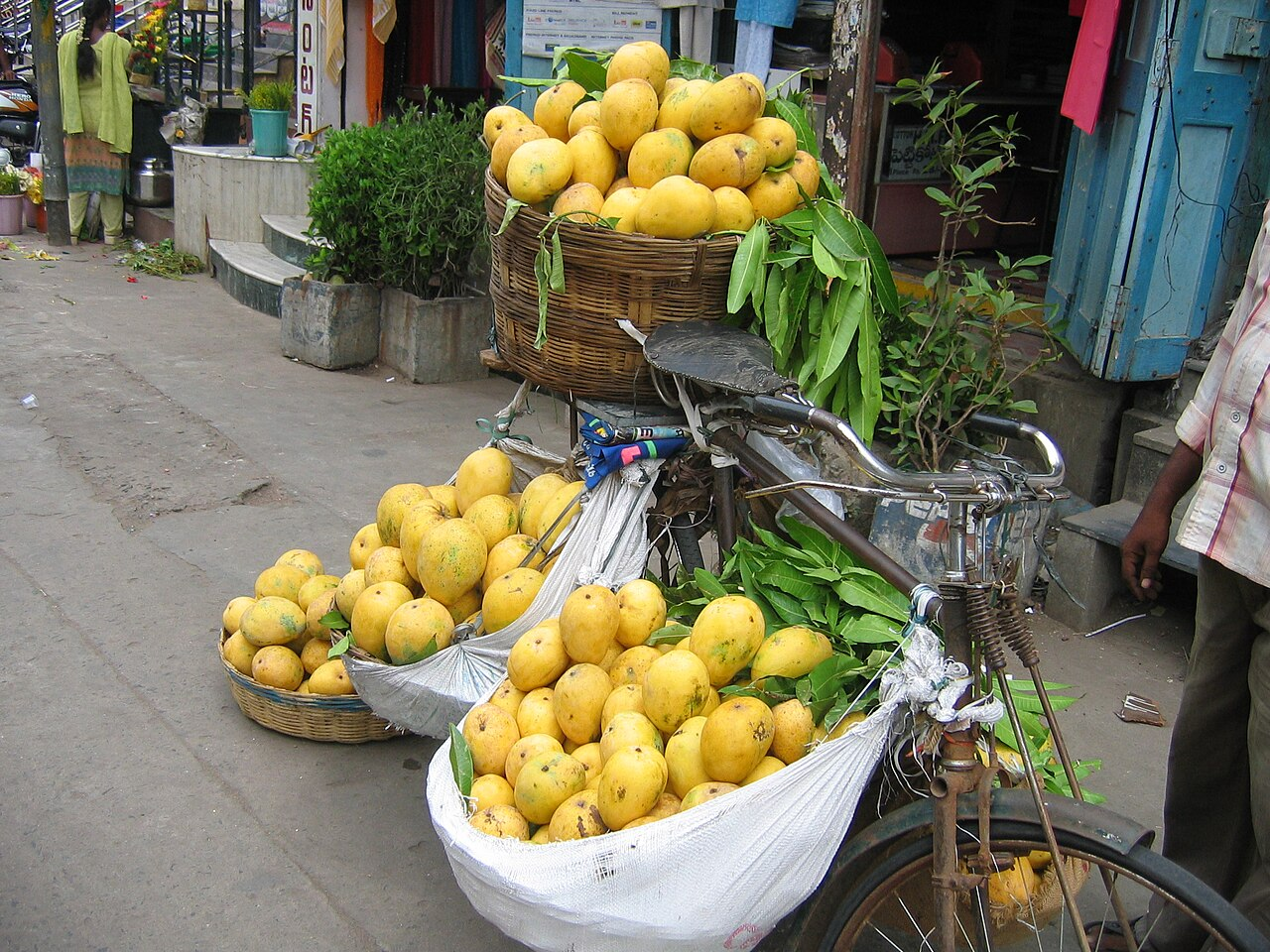
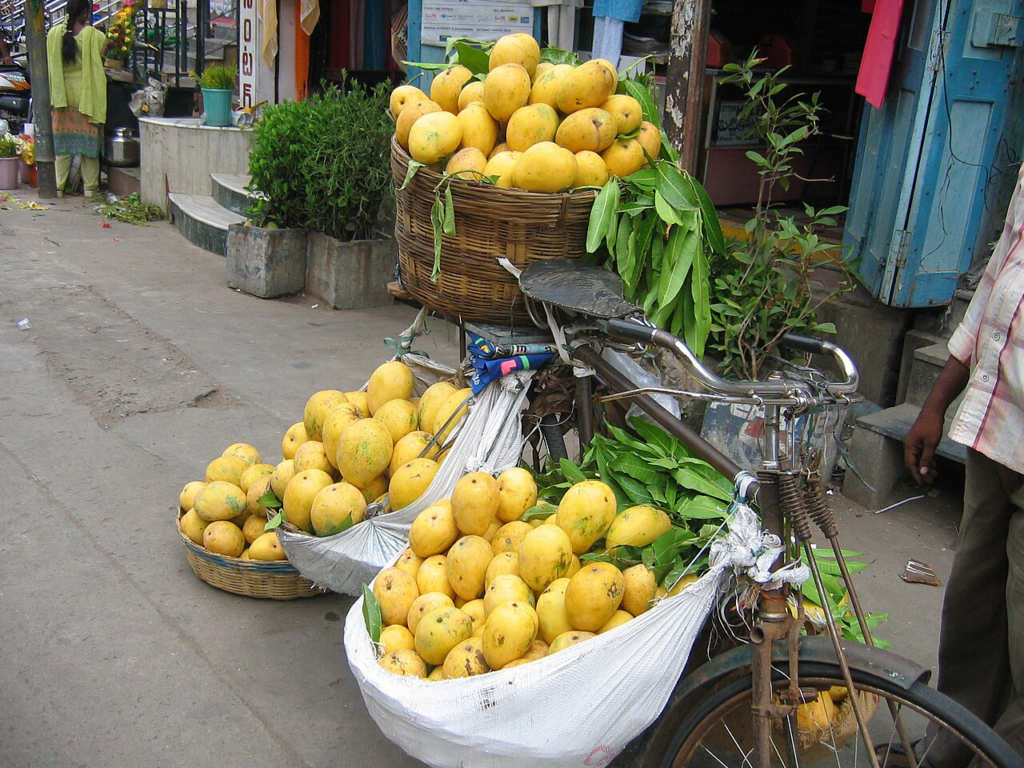
Sweet, fiberless mangoes with golden-yellow skin and saffron pulp, shared between Telangana and Andhra Pradesh. Known for late-season ripening, rich aroma, and minimal fiber, a premium table fruit.
- Arunachal Pradesh Singpho Phalap (Singpho Tea) (Registered 02.08.2022)
Traditional green/black tea processed by Singpho tribe, shared between Arunachal Pradesh and Assam. Hand-rolled, smoked or fermented leaves with smoky, malty notes—rooted in ancient tribal methods using bamboo tools. - Chak-Hao (Registered 26.12.2017)
Fragrant black rice (forbidden rice) with nutty flavor and high antioxidants, shared between Manipur and Nagaland. Glutinous texture, used in desserts and rituals, nutritionally rich and culturally significant. - Mahoba Desawari Pan (Registered 05.02.2013)
Betel leaf (paan) variety with sweet-spicy taste and aroma, shared between Uttar Pradesh and Madhya Pradesh (Bundelkhand/Mahoba). Thick, glossy leaves ideal for chewing, tied to social customs and digestive benefits. - Basmati (Registered 26.11.2008)
Aromatic long-grain rice with elongation on cooking, shared across Punjab, Haryana, Himachal Pradesh, Delhi, Uttarakhand, Uttar Pradesh, and Jammu & Kashmir. Fragrant, fluffy texture due to foothills’ soil and climate, India’s premium export rice.
These multi-state GI tags foster regional cooperation, prevent misuse, and boost collective economies while celebrating India’s interconnected heritage, from Himalayan teas to coastal spices and tribal arts. They underscore how shared borders create shared legacies.