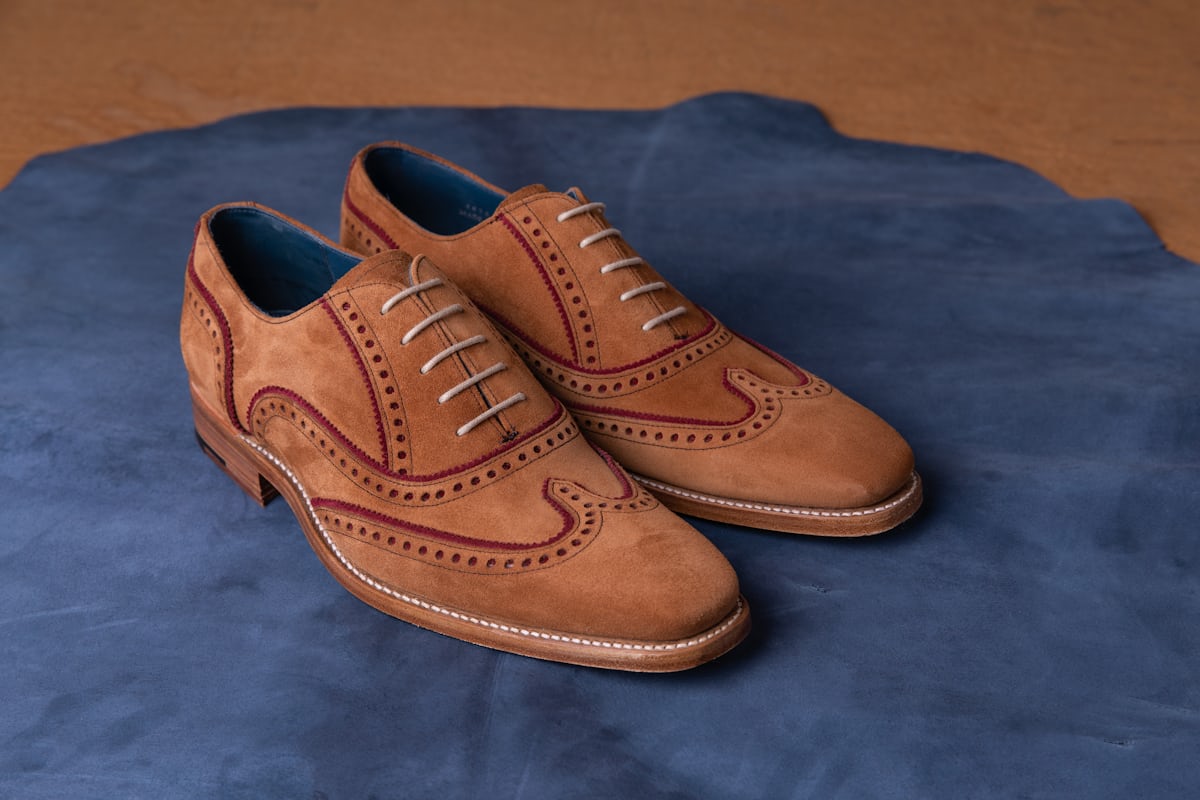
Finding The Good Quality Shoe: A Guide
In the world of men’s fashion, few items carry as much weight, literally and figuratively, as a good pair of shoes. But what exactly makes a shoe “good quality”? Drawing from expert insights in menswear, quality footwear boils down to two core principles: it should age gracefully, developing character over time, and it should be straightforward to repair, allowing you to extend its life for years or even decades.
This guide explores the key components of well-crafted men’s shoes, from the visible uppers to the hidden structural elements, helping you discern true craftsmanship from fleeting trends.
Note that this focuses on men’s shoes, as women’s footwear often employs different construction methods and standards. Whether you’re investing in dress oxfords, rugged boots, or casual derbies, understanding these elements can guide smarter purchases that stand the test of time.
The Uppers: The Face of Your Shoes
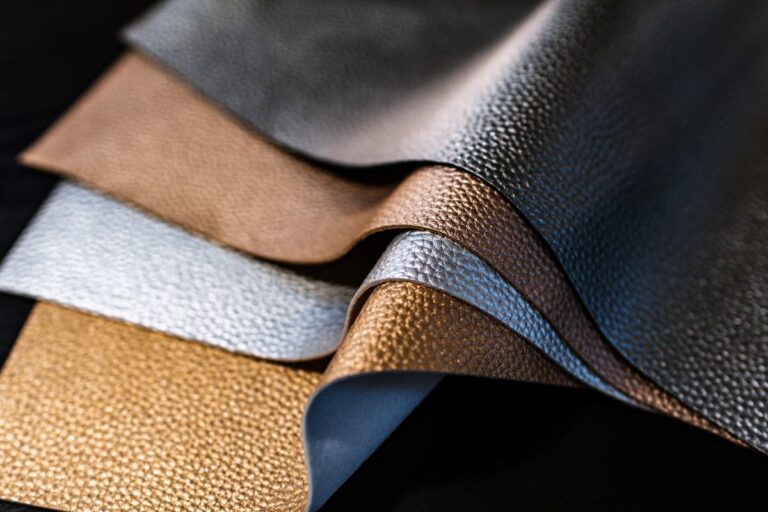
The uppers, the leather (or material) that forms the body of the shoe, are what most people notice first. High-quality uppers are typically made from full-grain leather, which retains the natural grain of the hide. This type of leather is breathable, allowing moisture to escape, and it develops a beautiful patina over time, a subtle sheen and depth of color that comes from wear and proper care.
In contrast, lower-quality shoes often use corrected-grain leather. This involves sanding down imperfect hides and applying a chemical coating to mimic a smooth finish. While it looks polished initially, corrected grain lacks breathability and tends to crack, flake, or peel as it ages, forcing premature replacement.
Beyond the type of leather, the cut matters too. Leather sourced from closer to the animal’s spine and patterned correctly will crease with fine, even wrinkles that add character. Poorer cuts from the shoulder or belly, or misaligned patterns, result in unsightly, uneven creases that detract from the shoe’s appearance.
The Soles: The Foundation of Longevity
Moving beneath the surface, the sole is arguably the most critical part of a shoe, when it fails, the entire pair often becomes unwearable. Budget shoes typically feature cemented construction, where the sole is simply glued to the upper. This is inexpensive to produce but difficult to repair; once the glue degrades, resoling is impractical.
Superior shoes employ stitched constructions like Blake, Blake-Rapid, or the renowned Goodyear welt. These methods attach the sole via stitching, enabling a cobbler to easily unpick and replace it without damaging the rest of the shoe. For even greater durability, hand-welting avoids the use of gemming (a canvas strip in Goodyear welts that can potentially fail during resoling).
Other specialized techniques, such as storm welts or Norwegian stitching, enhance water resistance, while pegged soles are common in cowboy boots. Regardless of the method, stitched soles ensure your shoes can be refreshed multiple times, extending their lifespan significantly.
The Heels: Built to Last
Heels take a beating with every step, so their construction is key to overall durability. Premium shoes use stacked leather heels, layered pieces of genuine leather that provide stability and can be partially replaced if worn down.
Cheaper alternatives include fiberboard heels, essentially compressed leather particles bound with glue, akin to particleboard in furniture. These are prone to crumbling under pressure. The lowest tier uses plastic heels, which are nearly impossible to repair due to a lack of compatible parts. A rubber or leather top piece covers the heel base in all cases, but only stacked leather allows for targeted fixes when wear penetrates deeper.
Midsoles, Insoles, and Comfort Considerations

The midsole and insole affect comfort and longevity in subtle ways. Avoid fiberboard midsoles, especially those hollowed out for foam inserts, as they weaken the structure and break down quickly.
Modern consumers prioritize instant comfort, leading many brands to incorporate foam padding. However, foam compresses over time, traps heat and moisture, and reduces breathability. A better choice is a full leather insole, which molds to your foot during a break-in period and offers superior ventilation. Some high-end makers strike a balance with minimal foam at the heel for cushioning, keeping the rest leather for durability.
Stiffeners: Hidden Support
To maintain shape, shoes include stiffeners at the toe and heel. Most use Celastic, a thermoplastic-soaked fabric that’s cost-effective but can crack and prove challenging or costly to replace. Leather stiffeners are the premium option, providing better breathability and easier repairs. They’re particularly valuable if you skip using a shoe horn, as repeated heel crushing can damage this area.
The Payoff: Shoes That Last a Lifetime
When all these elements align, full-grain uppers, stitched soles, stacked heels, leather insoles, and robust stiffeners, you get footwear that not only looks better with age but can be maintained indefinitely. Consider King Charles, whose shoes are said to be over 40 years old, or restored Alden pairs that look brand new after professional care. Investing in quality means fewer replacements, less waste, and a wardrobe staple that evolves with you.
Ultimately, while specific brand recommendations depend on your style, budget, and needs, armed with this knowledge, you can look beyond hype and labels. Seek out shoes designed for longevity, and they’ll reward you with years of reliable service.