
Bangalora/Totapuri Mango
Bangalora mango, also widely known as Totapuri (or Totapuri), is a prominent commercial mango variety (Mangifera indica) popular in southern India. It stands out for its distinctive shape, processing qualities, and reliable bearing habit.
Origin
Bangalora originates from South India and is commercially cultivated in states like Andhra Pradesh, Karnataka, Tamil Nadu, and parts of Telangana. It carries numerous regional synonyms, including Collector, Kallamai, Thevadiyamuthi, Ginimoothi, Kili Mooku (meaning “parrot’s beak” in Tamil, referring to its pointed tip), Gilli Mukku, and Sandersha. In some contexts, especially in Tamil Nadu (like Salem region), “Salem Bangalora” or “Bengalura” refers to a local premium selection prized for its taste and aroma, though it is distinct from the standard Totapuri in some claims. The name “Bangalora” likely derives from associations with Bangalore (Bengaluru) or regional nomenclature, but the variety is broadly recognized under the Totapuri umbrella across India.
It is a mid-season variety, typically ripening from May to July, depending on the region and climate.
Physical Characteristics
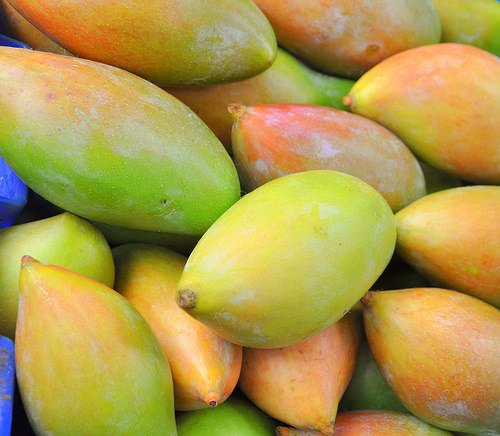
Bangalora mangoes are medium to large in size, often weighing 250–500 grams or more. The fruit has an oblong or elongated shape with a characteristic pointed base or “beak” at the tip, hence the name Totapuri, evoking a parrot’s beak. When ripe, the skin turns a vibrant golden-yellow to orange-yellow, smooth and relatively thin.The flesh is firm, yellowish-orange, and notably low in fiber compared to many other varieties, making it pleasant to eat. The flavor profile is a balanced sweet-tangy taste with moderate juiciness and a pleasant tropical aroma. It has good keeping quality and excellent suitability for processing due to its firm pulp that holds shape well.
Cultivation and Yield
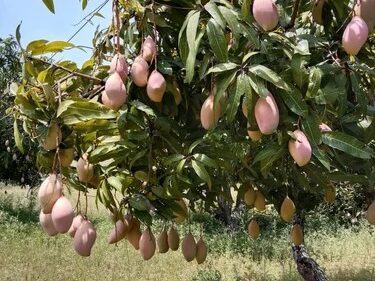
Bangalora is valued as a heavy and regular bearer, making it economically attractive for farmers. The trees are vigorous and adaptable to tropical climates with well-drained soil. It is considered a commercial variety of South India, often grown alongside other favorites like Banganapalli (Banganapalle) or Neelam.
One notable trait is its resilience in bearing fruit consistently, though like most mangoes, it can be susceptible to pests such as bacterial spot or fruit flies if not managed properly. It thrives in the hot, humid conditions typical of southern Indian summers.
Uses and Culinary Importance
While many table varieties like Alphonso or Banganapalli are prized purely for fresh eating due to their rich sweetness and fiberless pulp, Bangalora excels in both fresh consumption and industrial uses. Its tangy-sweet balance makes it refreshing when eaten ripe, but its firm texture and low fiber content make it ideal for:
- Processing: Pulp extraction, canning, juices, nectars, and concentrates.
- Pickles and preserves: The slight tanginess works well in spicy mango pickles.
- Culinary applications: Used in desserts, smoothies, lassis, or even savory dishes in some regional cuisines.
In export and processing industries, it is highly regarded for its shelf life and yield of pulp.
Nutritional Value
Like other mangoes, Bangalora is rich in vitamins A and C, providing antioxidant benefits, supporting immunity, and contributing to eye and skin health. It also offers dietary fiber, potassium, and natural sugars for energy. The fruit is low in fat and calories relative to its sweetness, making it a wholesome summer treat.
Bangalora is sometimes confused with Banganapalli (also called Benishan or Safeda), another large South Indian variety from Andhra Pradesh. However, Banganapalli tends to be more obliquely oval, sweeter, and fiberless with a reputation as a premium table mango (often called the “king of mangoes” in its region), while Bangalora/Totapuri is more oblong with a beak-like tip and is favored for processing.
In Karnataka and Bangalore markets, both appear during the season, alongside Raspuri or Badami, but Bangalora’s distinctive shape and versatility set it apart.
Mangoes hold a special place in Indian culture as the “king of fruits,” symbolizing prosperity, summer abundance, and hospitality. Bangalora contributes significantly to the local economy in southern states through fresh markets and the processing industry. Its regular bearing helps stabilize supply for farmers and industries alike.
Its unique parrot-beak shape and balanced taste ensure it remains a favorite among growers, processors, and mango enthusiasts across India. During peak season, sourcing farm-fresh Bangalora (especially Salem selections) offers a delightful experience of regional Indian agriculture at its best.