Are Cashmere Sweaters A Scam?
Cashmere sweaters range from $50 to $2,000 (and sometimes more) because cashmere isn’t a one-size-fits-all luxury, it’s a natural fiber with huge variation in quality, production, and branding. The short answer: No, it’s not always a scam, but the massive price gaps often reflect real differences in durability, feel, and longevity rather than pure hype.
Cheap ones can be legitimate (though usually lower quality), while ultra-expensive ones justify their cost through superior materials and craftsmanship, but brand markup plays a big role too.
Here’s a breakdown of why the prices swing so wildly, based on how cashmere works and what actually matters when you’re shopping.
What Makes Cashmere Expensive in the First Place?
Cashmere comes from the ultra-fine undercoat of cashmere goats (mostly in Mongolia, Inner China, and parts of the Himalayas). These goats produce only a tiny amount each year—about 4–8 ounces per goat—and it takes the fiber from 3–6 goats (sometimes more) to make one average sweater.
Harvesting involves hand-combing during spring molting (not shearing, which mixes in coarser hairs), sorting by hand, and dehairing to remove guard hairs. This labor-intensive, low-yield process drives up raw material costs dramatically compared to regular wool.
The best cashmere uses longer, finer fibers (lower micron diameter = softer, like 14–15.5 microns for top Grade A). Shorter or coarser fibers pill more, wear out faster, and feel less luxurious.
Key Factors Behind the Price Differences
- Fiber Quality and Grade
- Grade A (finest, longest fibers, ~14–15.5 microns): Ultra-soft, durable, minimal pilling. Used in high-end pieces ($500+).
- Grade B/C (thicker, shorter fibers): Still real cashmere but pills faster, feels less buttery, wears out quicker. Common in $50–$200 options.
Cheaper sweaters often use shorter staples or mixed lengths, leading to that “false luxury” feel—soft at first but disappointing over time.
- Yarn and Knit Construction
- Ply and gauge: 2-ply or higher yarn is stronger and pill-resistant; single-ply is weaker and holes easily. Lower-gauge (thicker) knits use more material and feel denser.
- Cheap versions are often loosely knit to save yarn, making them thin and prone to stretching or holes.
- Luxury ones are tightly knit, heavier, and built to last decades.
- Manufacturing Location and Labor
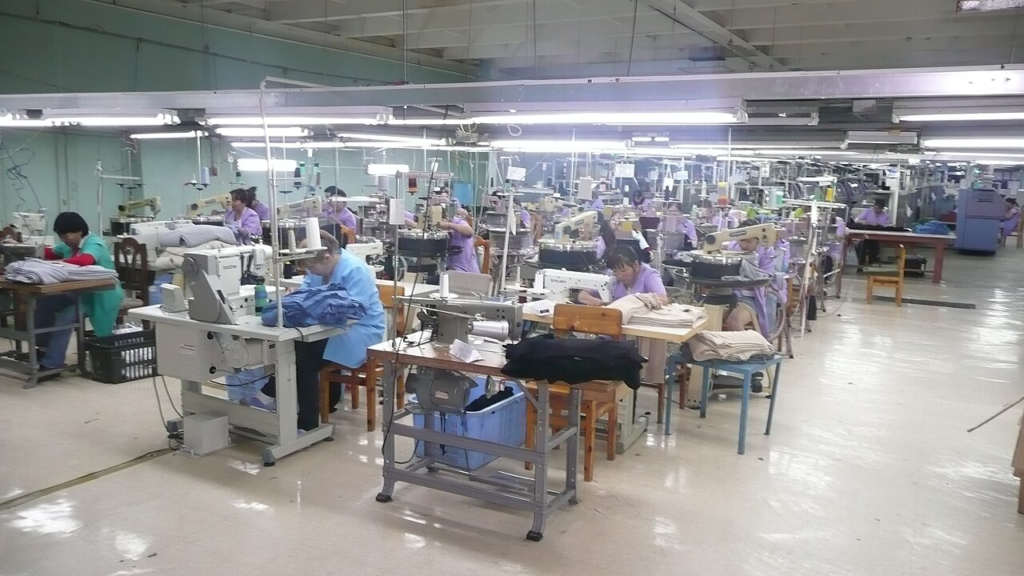
- Made in low-cost factories (e.g., China): Keeps prices down even for decent Grade A fiber.
- Made in Italy/Scotland (e.g., heritage mills): Expert finishing, dyeing, and handwork add cost—but often superior quality.
Ethical/sustainable sourcing (traceable, no overgrazing) also bumps prices.
- Brand Markup and Extras
This is where $1,000+ sweaters come in. Loro Piana or Brunello Cucinelli charge premiums for prestige, design, and “Made in Italy” cachet, even if the raw cashmere is similar to a $200 piece. You’re paying for the name, exclusivity, and sometimes better longevity. - Blends, Fakes, and “Cashmere-Like” Tricks
Some ultra-cheap items (<$50) are blends (e.g., 5–30% cashmere + synthetics/wool) or outright fakes (acrylic, rayon, or worse). But many $50–$150 “100% cashmere” sweaters from brands like Quince or Naadam are genuine—just lower-grade fiber from Mongolia/China, looser knits, and efficient production.
Quick Price Guide (for a Basic Crewneck Sweater)
- $50–$150: Entry-level 100% cashmere (e.g., Quince, Uniqlo, Naadam). Real, soft initially, but may pill or thin after a season or two. Great starter if you’re testing the waters.
- $200–$500: Solid mid-range. Better fiber length, tighter knit, more durable (e.g., Everlane, Naadam premium, or Scottish/Italian mid-brands). Often the sweet spot for value—lasts years with care.
- $600–$2,000+: Luxury tier (Loro Piana, Brunello Cucinelli, etc.). Top-grade fiber, expert craftsmanship, heirloom potential. Worth it if you want the absolute best feel and longevity, but diminishing returns kick in.
Bottom Line: Is It a Scam?
Not usually, most of the range is explained by real variations in fiber fineness, construction, and production ethics. A $50 sweater isn’t “fake” if labeled 100% cashmere, but it’s rarely as good as a $400 one. Cheap cashmere can feel like a bargain until it pills into oblivion after a few wears, while pricier pieces become “cost-per-wear” winners over time.
If you’re shopping:
- Feel for softness and weight (lighter yet warm = better).
- Check for tight knit and long fibers.
- Buy from transparent brands (look for “Grade A Mongolian,” ethical claims).
- Consider mid-range for the best bang-for-buck.
Cashmere should feel like a treat, choose what fits your budget and how long you want it to last. What’s your go-to cashmere budget? Drop it in the comments!