A Brief History Of Surgeon Cuffs
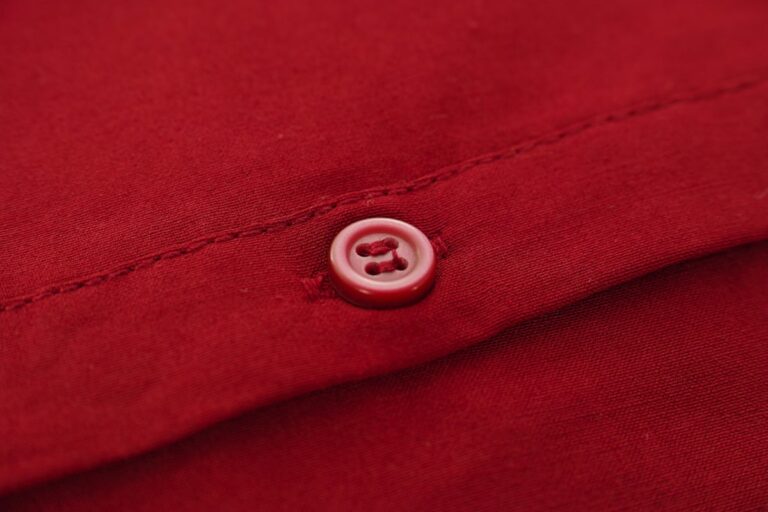
The history of surgeon’s cuffs, those functional (working) buttons on the sleeves of a suit jacket or blazer, is one of menswear’s most enduring tales. Also called surgeon cuffs, working cuffs, or functional sleeve buttons, they allow the cuff to actually unbutton and the sleeve to roll up. Today, they’re a subtle hallmark of quality tailoring, but their origins blend practicality, class distinction, and Savile Row tradition.

Early Evolution of Sleeve Buttons (17th–18th Centuries)
Buttons on jacket sleeves date back much further than the “surgeon” name suggests. In the 17th century, men’s fashion featured elaborate turn-back cuffs (cuffs folded back to reveal contrasting lining or lace), often decorated with rows of ornate buttons. These were largely decorative at first, reflecting status and wealth.
By the late 1600s and into the 1700s, cuffs became sewn-on pieces rather than folded, and buttons shifted toward more vertical arrangements. They remained mostly non-functional, sewn on for show, on military uniforms, civilian coats, and early suits. Myths persist about origins like Lord Nelson adding buttons to Royal Navy uniforms to stop midshipmen from wiping noses on sleeves, or Frederick the Great of Prussia doing something similar for hygiene. These are charming but debunked old wives’ tales; sleeve button placement was already standard by then.
The 19th Century: Rise of the “Surgeon’s Cuff”
The term “surgeon’s cuff” and the functional aspect emerged in the early to mid-19th century, closely tied to Savile Row in London, the epicenter of bespoke tailoring.
Before tailors dominated the street in the late 18th and early 19th centuries, Savile Row was home to many surgeons and medical professionals. As tailors moved in, they began crafting suits for these doctors (who were considered upper-class gentry). Surgeons needed practical clothing for their work, treating patients, performing procedures, or attending battlefield wounded, without constantly removing their jackets, which would have been seen as undignified or lowering their status to that of “shirt-sleeved tradesmen.”
The solution: make the cuff buttons and buttonholes actually work. A surgeon (especially a military field surgeon) could unbutton the sleeve, roll it up (along with the shirt cuff), and work freely while keeping the jacket on, avoiding bloodstains or the appearance of disrobing in public. This preserved dignity in a highly class-conscious era, where doctors were elite professionals.
- The buttons often mirrored military “pips” (rank indicators on uniforms), adding a layer of borrowed prestige.
- In bespoke suits of the time (all handmade), functional cuffs were standard; mass production later made non-working versions the norm on ready-to-wear.
The name “surgeon’s cuff” likely originated on Savile Row itself, as tailors adopted the feature from their medical clientele. Some sources date the practical innovation to the Napoleonic Wars era (early 1800s), when military surgeons wore civilian-style jackets in the field.
Modern Meaning and Status
By the 20th century, surgeon’s cuffs became a quiet signal of craftsmanship:
- On bespoke or high-end made-to-measure suits, they’re expected (hand-stitched holes, often with the last button left undone as a subtle nod).
- On off-the-rack suits, they’re rare—buttons are usually decorative (sewn over closed fabric), as functional holes complicate alterations and mass production.
Today, they’re purely stylistic, no one rolls up suit sleeves for surgery anymore (scrubs took over in the mid-20th century for hygiene). But they remain a flex: proof the jacket wasn’t cheaply finished. Spotting working cuffs (and perhaps a tiny silk loop or hand-stitched detail) tells you you’re looking at thoughtful tailoring.
Common Myths Debunked
- Not invented for WWI/WWII medics (too late; the name predates).
- Not primarily for nose-wiping prevention (fun anecdote, but false).
- Not the same as French cuffs on shirts (separate history).
In short, surgeon’s cuffs started as a clever 19th-century workaround for elite professionals who refused to shed their coats, turning necessity into a lasting emblem of refined menswear. Next time you see a suit with buttons you can actually undo, remember: it’s not just decoration; it’s a tiny piece of Savile Row history.