Timeline Of Shivaji (1630 – 1680)
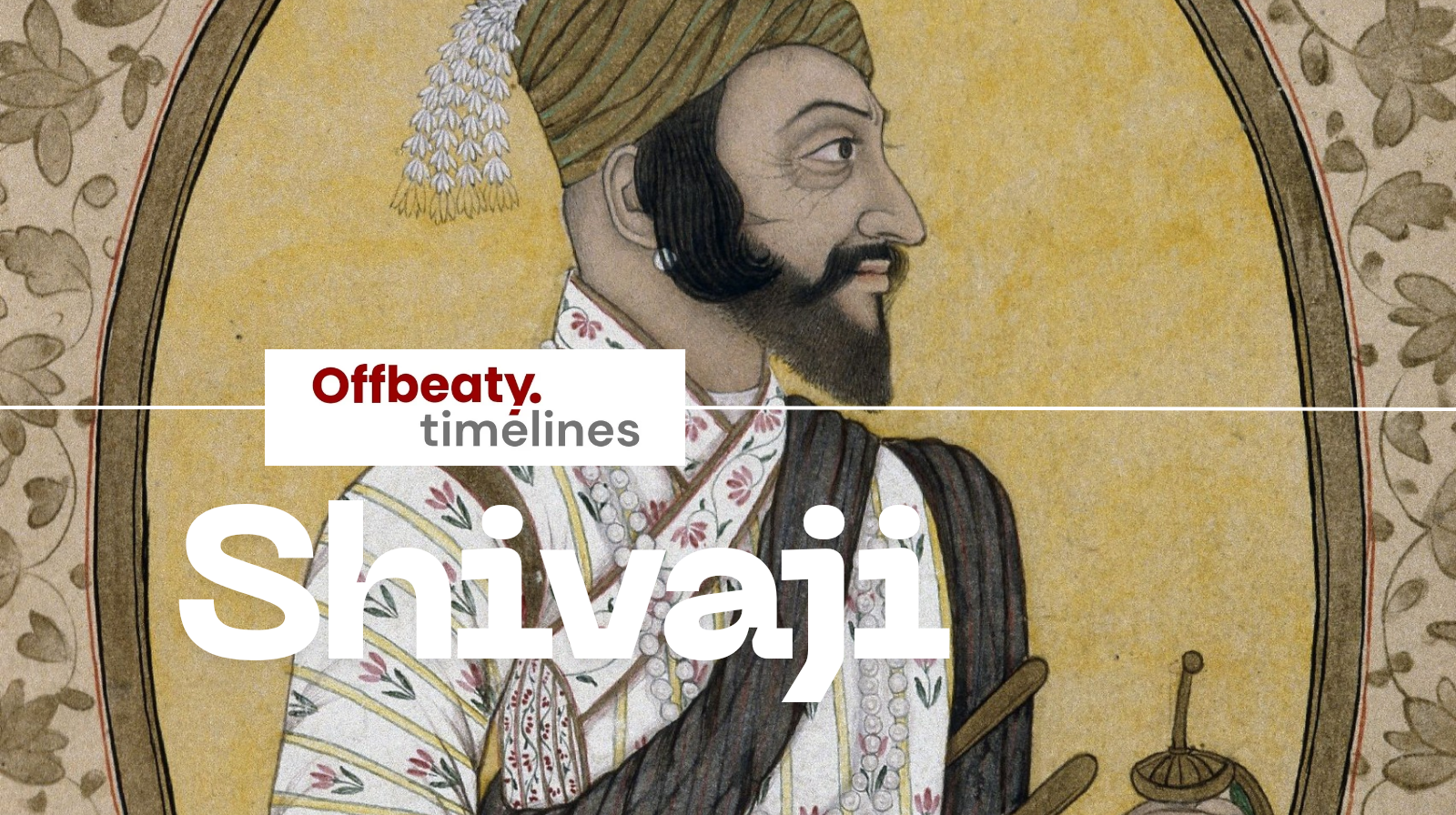
Shivaji Bhonsale (born 19 February 1630 at Shivneri Fort, near Pune, in present-day Maharashtra) was the son of Shahaji Bhonsle (a military leader serving the Bijapur Sultanate) and Jijabai. He established Hindavi Swarajya (“self-rule of Hindus”) by challenging the Adil Shahi (Bijapur) Sultanate and the Mughal Empire through guerrilla warfare (ganimi kava), hill forts, naval power, and innovative administration.
He built a merit-based system, promoted religious tolerance (protected mosques and employed Muslims), and created the Ashta Pradhan (council of eight ministers). His formal reign as Chhatrapati began with his coronation in 1674, though he had been de facto ruler for decades. His 6-year crowned reign (1674–1680) marked the foundation of the Maratha Empire, inspiring resistance against Mughal dominance and laying groundwork for later expansions under his successor.
Chronological timeline of key events in his life and reign:
- 1630 February 19: Born at Shivneri Fort to Shahaji Bhonsle and Jijabai; named after goddess Shivai.
- 1640s (early): Raised in Pune under guardian Dadaji Konddev and mother Jijabai’s influence; inspired by Hindu epics and saints like Ramdas.
- 1646: At age 16, captures first fort, Torna (or Toranagad), marking start of conquests.
- 1640s–1650s: Captures/renames several hill forts (e.g., Rajgad, Kondana/Purandar, Raigad); builds loyal Maval infantry and cavalry.
- 1656: Conquers Javali (valley region) from Chandra Rao More; expands territory significantly.
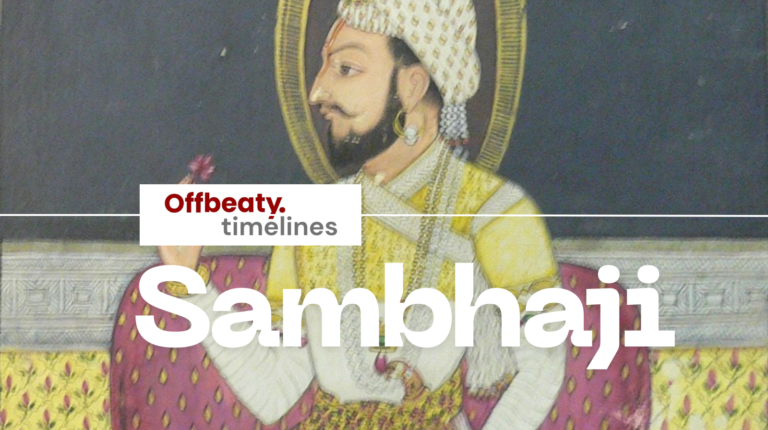
- 1657: Birth of eldest son Sambhaji; captures Kalyan and other areas from Bijapur.
- 1659 November 10: Battle of Pratapgad, famously kills Afzal Khan (Bijapur general) in personal combat; defeats Bijapur army; major victory establishing his reputation.
- 1660: Siege of Panhala by Siddi Jauhar (Bijapur ally); heroic escape aided by Baji Prabhu Deshpande’s stand at Pavan Khind (Ghodbunder pass defense).
- 1663: Surprise attack on Shaista Khan (Mughal governor of Deccan, Aurangzeb’s uncle) in Pune; wounds him and forces retreat, bold raid boosting morale.
- 1664: Sack of Surat (Mughal port), plunders wealth to fund campaigns.
- 1665: Treaty of Purandar with Mughal general Jai Singh I, cedes 23 forts, accepts Mughal suzerainty temporarily; son Sambhaji made mansabdar.
- 1666: Visits Agra at Aurangzeb’s invitation; placed under house arrest; dramatic escape hidden in sweet baskets.
- 1660s–1670s: Recaptures lost forts (e.g., Purandar 1670, Sinhagad 1670 by Tanaji Malusare’s famous battle); resumes raids on Mughal territories.
- 1670: Second sack of Surat; captures key forts like Kondana (Sinhagad).
- 1672–1673: Southern campaigns, captures forts like Ramnagar; victories at Umrani, sack of Hubli.
- 1674 June 6: First coronation at Raigad Fort — formally crowned Chhatrapati (“paramount sovereign”) by Gaga Bhatt; establishes independent Maratha kingdom (Hindavi Swarajya); second coronation September 24, 1674, to address ritual issues.
- 1674–1680: Reign as Chhatrapati, builds navy (with Kanhoji Angre’s help); reforms administration (Ashta Pradhan council); promotes Marathi and Sanskrit over Persian; religious tolerance; revenue system based on ryotwari-like principles.
- 1677–1678: Southern expedition, alliances with Golconda; captures Gingee (Jinji) and other territories; expands influence far south.
- 1680 April 3: Dies at Raigad Fort at age 50 (likely from fever/dysentery); buried there. Succeeded by eldest son Sambhaji (after brief succession issues).
Shivaji’s legacy is immense: he founded the Maratha Empire through guerrilla tactics, fort-based defense, and efficient governance; promoted meritocracy, religious harmony (despite being a devout Hindu), and self-rule against imperial powers.
His resistance weakened Mughal hold in the Deccan, paving the way for Maratha dominance in the 18th century. Revered as a national hero in India, especially Maharashtra, for embodying courage, strategy, and justice.