
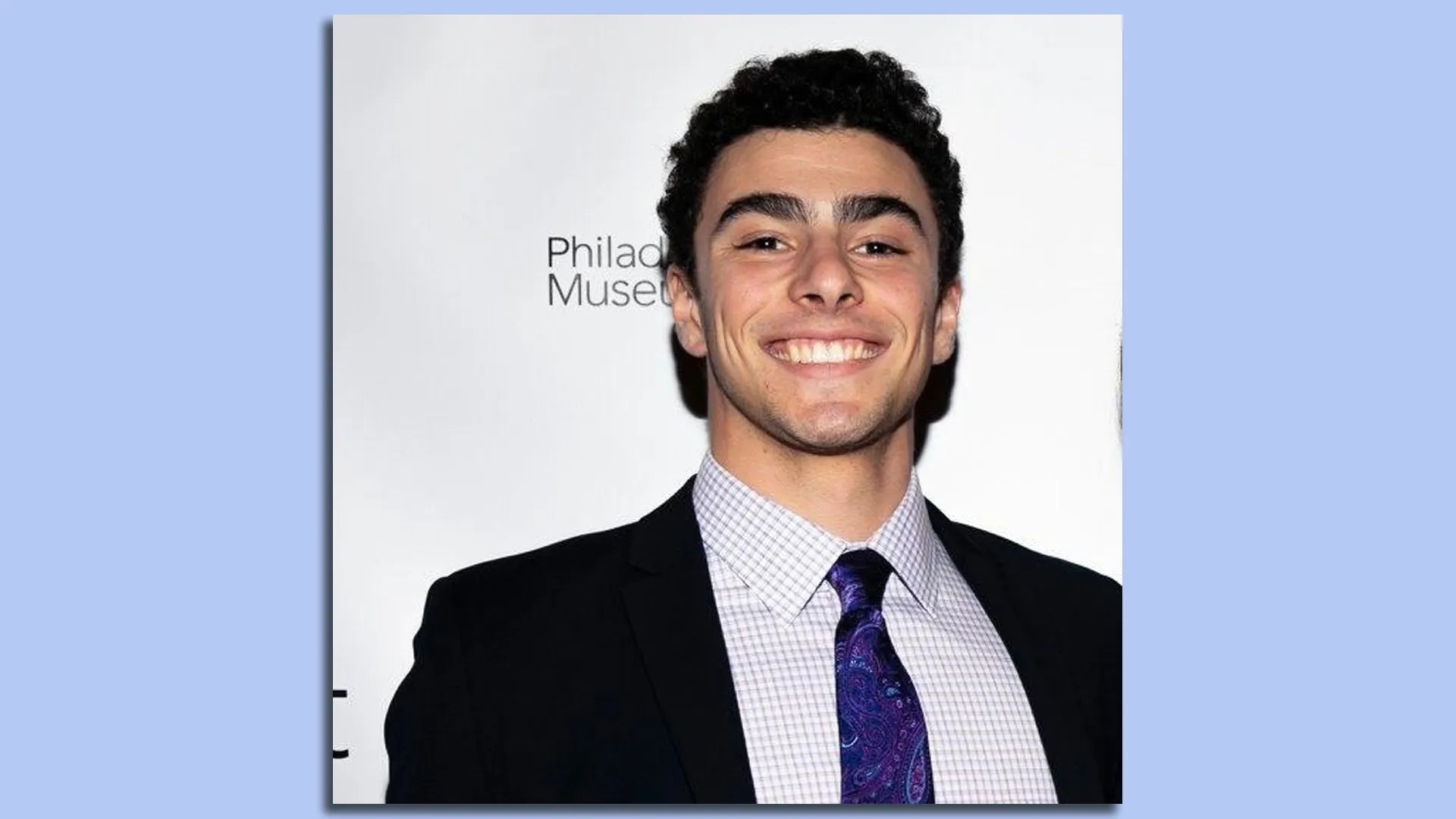
Timeline Of Luigi Mangione Trial (2024 – Present)
The Luigi Mangione trial timeline centers on the high-profile case involving the December 4, 2024, fatal shooting of UnitedHealthcare CEO Brian Thompson in Midtown Manhattan, New York City. Mangione, a 27-year-old Ivy League graduate from a prominent Maryland family, was arrested on December 9, 2024, in Altoona, Pennsylvania, after a nationwide manhunt. He faces parallel state (New York) and federal charges, including murder, weapons offenses, and stalking.
Mangione has pleaded not guilty to all counts.The case gained widespread attention due to its alleged motive (criticism of health insurance practices, with shell casings inscribed “delay,” “deny,” “depose”), the political context (federal pursuit of death penalty under the Trump administration, later dropped), and debates over double jeopardy given overlapping state/federal prosecutions.
Key developments include dismissals of terrorism-related state charges (2025) and federal murder/firearms charges carrying death penalty eligibility (January 2026). As of early February 2026, no trials have begun; pretrial proceedings continue, with state trial set first amid scheduling disputes.
Chronological timeline of major milestones (focusing on legal proceedings and trial-related events):
- December 4, 2024: Brian Thompson shot and killed in Midtown Manhattan. Surveillance shows masked gunman; shell casings inscribed with anti-insurance phrases.
- December 9, 2024: Luigi Mangione arrested in Altoona, Pennsylvania. Evidence (backpack with weapon, writings, fake ID) links him to the crime.
- Late 2024–Early 2025: Indicted on state charges (New York Supreme Court, Manhattan): including first-degree murder as terrorism, second-degree murder, weapons possession, forgery, stalking. Federal charges filed (U.S. District Court, Southern District of New York): including murder using firearm (death penalty eligible), stalking.
- April 1, 2025: U.S. Attorney General Pam Bondi directs federal prosecutors to seek death penalty, framing it as part of Trump administration’s anti-crime agenda.
- September 16, 2025: New York state judge dismisses terrorism-related murder charges; Mangione still faces second-degree murder and other counts.
- December 2025: Pretrial hearings in state case (e.g., suppression motions to exclude evidence like backpack items). Defense pushes to dismiss key evidence.
- January 30, 2026: Federal Judge Margaret Garnett rules in U.S. v. Mangione: Dismisses federal murder charge and related firearm count (death penalty-eligible), finding them legally incompatible with stalking charges. Death penalty off table; remaining federal charges (stalking) carry max life without parole. Denies defense motion to exclude backpack evidence. Jury selection set for September 8, 2026; opening statements October 13, 2026.
- February 6, 2026: State court hearing (Judge Gregory Carro, Manhattan Supreme Court). Amid “tug-of-war” between prosecutors, Carro sets state trial start for June 8, 2026 (earlier than DA’s requested July 1), to proceed before federal trial. Defense objects (preparation burden, double jeopardy concerns); Mangione outbursts in court: “It’s the same trial twice. One plus one is two. Double jeopardy by any commonsense definition.” Judge notes state trial shifts to September 8 if federal date delayed (e.g., via appeal). Next state hearing set for May 18, 2026 (likely on evidence motions).
- Ongoing as of February 8, 2026: No verdicts or convictions. Federal prosecutors have until late February 2026 to appeal January ruling. State trial preparation accelerates; federal remains on track for fall. Mangione detained; defense maintains innocence, highlighting procedural issues and motive critiques of healthcare system.
The dual prosecutions raise double jeopardy questions (federal/state sovereignty allows separate trials for similar acts), but experts note New York’s stricter protections may complicate outcomes if state convicts first. Case draws scrutiny over healthcare industry backlash, political motivations in federal pursuit, and evidence handling. Future dates could shift based on appeals or motions; trials expected to draw intense media coverage.