Timeline Of G20 Meetings (2008 – Present)
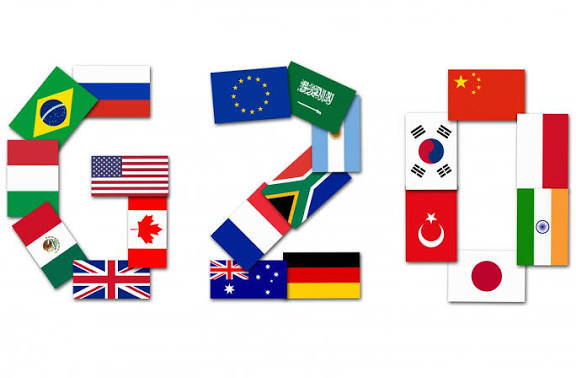
The G20 (Group of Twenty) is a premier forum for international economic cooperation, comprising 19 countries plus the European Union (and, since 2023, the African Union as a permanent member). It was established in 1999 at the finance ministers/central bank governors level in response to the Asian Financial Crisis, but elevated to leaders’ summits starting in 2008 amid the global financial crisis.Leaders’ summits began annually from 2011 onward (with two in 2009 and 2010).
The presidency rotates yearly among members, with the host country organizing ministerial meetings, working groups, and the culminating Leaders’ Summit. The African Union joined as the 21st member at the 2023 summit in New Delhi.As of February 2026 (current time), the most recent summit was the 2025 Johannesburg summit in South Africa.
The United States assumed the G20 presidency on December 1, 2025, and is preparing for the 2026 summit in Miami, Florida (December 14–15, 2026), themed around economic prosperity, energy, innovation, and trade under President Trump.
Chronological timeline of all G20 Leaders’ Summits (from 2008 onward):
- 1st: November 14–15, 2008 – United States, Washington, D.C. (National Building Museum) – Host leader: George W. Bush. Focused on global financial crisis response.
- 2nd: April 2, 2009 – United Kingdom, London (ExCeL London) – Host leader: Gordon Brown. Coordinated stimulus and financial reforms.
- 3rd: September 24–25, 2009 – United States, Pittsburgh (David L. Lawrence Convention Center) – Host leader: Barack Obama. Declared G20 as the premier forum for global economic cooperation.
- 4th: June 26–27, 2010 – Canada, Toronto (Metro Toronto Convention Centre) – Host leader: Stephen Harper. Discussed fiscal consolidation and recovery.
- 5th: November 11–12, 2010 – South Korea, Seoul – Host leader: Lee Myung-bak. First in Asia; addressed development and global financial safety nets.
- 6th: November 3–4, 2011 – France, Cannes – Host leader: Nicolas Sarkozy. Focused on Eurozone crisis.
- 7th: June 18–19, 2012 – Mexico, Los Cabos – Host leader: Felipe Calderón. Emphasized growth and jobs.
- 8th: September 5–6, 2013 – Russia, St. Petersburg – Host leader: Vladimir Putin. Addressed Syria crisis alongside economic issues.
- 9th: November 15–16, 2014 – Australia, Brisbane – Host leader: Tony Abbott. Growth strategies and anti-corruption.
- 10th: November 15–16, 2015 – Turkey, Antalya – Host leader: Recep Tayyip Erdoğan. First to address migration/refugee issues prominently.
- 11th: September 4–5, 2016 – China, Hangzhou – Host leader: Xi Jinping. Focused on sustainable development and innovation.
- 12th: July 7–8, 2017 – Germany, Hamburg – Host leader: Angela Merkel. Climate, trade, and digital economy.
- 13th: November 30–December 1, 2018 – Argentina, Buenos Aires – Host leader: Mauricio Macri. Trade tensions and multilateralism.
- 14th: June 28–29, 2019 – Japan, Osaka – Host leader: Shinzō Abe. Digital economy and aging populations.
- 15th: November 21–22, 2020 – Saudi Arabia, Riyadh (virtual due to COVID-19) – Host leader: King Salman. Pandemic response and economic recovery.
- 16th: October 30–31, 2021 – Italy, Rome – Host leader: Mario Draghi. Climate, health, and inequality.
- 17th: November 15–16, 2022 – Indonesia, Bali – Host leader: Joko Widodo. Food/energy security amid Ukraine conflict.
- 18th: September 9–10, 2023 – India, New Delhi (Pragati Maidan) – Host leader: Narendra Modi. African Union admitted as member; “One Earth, One Family, One Future” theme.
- 19th: November 18–19, 2024 – Brazil, Rio de Janeiro – Host leader: Luiz Inácio Lula da Silva. Focused on global governance reform and inequality.
- 20th: November 22–23, 2025 – South Africa, Johannesburg – Host leader: (Cyril Ramaphosa or successor). Marked completion of the first full rotation of presidencies; emphasized African priorities and development.
- 21st (upcoming): December 14–15, 2026 – United States, Miami, Florida (Trump National Doral Miami) – Host leader: Donald Trump. Presidency assumed December 1, 2025; priorities include deregulation, energy, innovation, and trade consensus-building.
The G20 has evolved from crisis response to addressing broader issues like climate, digital economy, health, and geopolitical tensions. Future hosts include the United Kingdom (2027), South Korea (2028), and beyond, with rotation ensuring diverse representation.