Timeline Of India-US Trade Tensions (2025 – Present)
The India-US trade tensions since 2025 have been dominated by the return of Donald Trump to the presidency in January 2025, his aggressive “reciprocal tariff” policy aimed at reducing US trade deficits, and specific friction over India’s continued purchases of Russian oil amid Western sanctions related to the Ukraine conflict. This led to a sharp escalation in mid-2025, with US tariffs on Indian goods reaching 50%, among the highest imposed on any trading partner, sparking a diplomatic and economic standoff described in some sources as the 2025-26 US-India diplomatic and trade crisis.
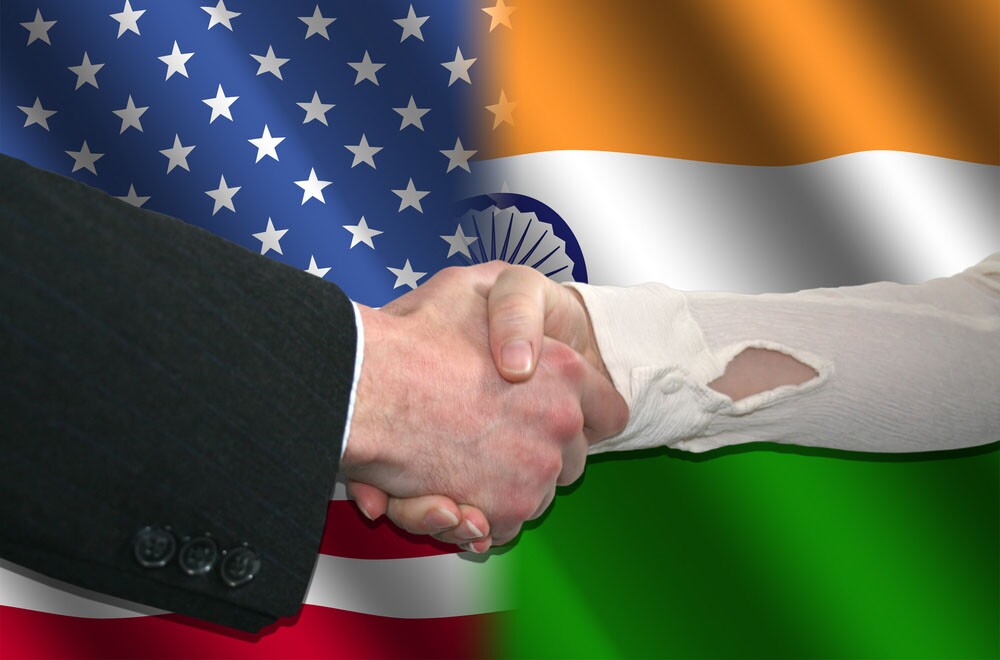
Tensions eased dramatically in early 2026 through intense negotiations, culminating in a landmark interim trade agreement (often called a “mini deal”) announced in February 2026. The deal slashed US tariffs on Indian exports, opened Indian markets to more US goods (especially agriculture and industry), and included commitments for India to boost purchases of US energy, technology, aircraft, and other products, targeting $500 billion in such imports over coming years.
Chronological timeline of key milestones based on reported events:
- February 2025: Positive start. Prime Minister Narendra Modi visits Washington, meets President Trump. Both sides launch negotiations toward a Bilateral Trade Agreement (BTA) and agree on “Mission 500”, aiming for $500 billion in bilateral trade by 2030. Discussions cover trade, defense, energy, and supply chains. Optimism is high for a limited deal by late 2025.
- April 2–5, 2025: Trump launches global “reciprocal tariff” campaign under Executive Order 14257 to address trade imbalances. A baseline 10% tariff applies to all imports; country-specific reciprocal rates announced, including ~26% on several Indian goods (phased in around April 9). Tariffs paused for 90 days in some cases, but baseline remains.
- April–May 2025: Early talks progress. US VP JD Vance visits India; terms of reference finalized. Indian Commerce Minister Piyush Goyal and negotiators visit Washington (May 17–20). Sides near agreement on some issues, but no breakthrough.
- June 2025: Diplomatic hiccup. After G7 Summit, Trump invites Modi for a Washington stopover/dinner; Modi declines, prioritizing domestic commitments (e.g., Odisha visit tied to Jagannath references). Modi invites Trump to India for Quad Summit (accepted). Tensions simmer over India’s BRICS role and Russian oil imports.
- July 31, 2025: Escalation begins. Trump announces 25% tariff on all/most Indian goods, warning of further penalties if India continues buying Russian oil. This ties trade to geopolitical pressure on Russia’s economy.
- August 1, 2025: 25% reciprocal tariff takes effect on many Indian exports.
- August 7–27, 2025: Peak crisis. Additional 25% penalty tariff imposed via Executive Order (linked to Russian oil purchases), pushing cumulative duties to 50% on most Indian goods (with exceptions like steel, semiconductors, pharmaceuticals). India denounces measures as “unfair, unjustified, and unreasonable,” stressing strategic autonomy in energy. Reports of paused US defense deals (denied by India). Experts warn of risks to Quad, defense ties, and trust. Negotiations stall despite multiple rounds.
- Late 2025: Behind-the-scenes diplomacy continues. At least 5–6 formal rounds of talks occur amid friction. India maintains Russian oil imports but signals flexibility in broader energy diversification.
- February 2–3, 2026: Breakthrough announcement. Trump posts on Truth Social that a trade deal is agreed “out of friendship and respect” for Modi. US tariffs on Indian goods reduced (reciprocal rate to 18%; additional 25% penalty rescinded). India commits to increase US energy/tech/agri purchases (up to $500 billion over years), reduce barriers, consider Venezuelan oil, and open markets (e.g., agriculture, though dairy protected per Indian statements). Deal hailed as ending year-long dispute.
- February 6–7, 2026: Joint statement released by White House and India’s Ministry of Commerce. Framework for Interim Agreement finalized: India eliminates/reduces tariffs on all US industrial goods and wide range of agri/food (e.g., DDGs, sorghum, nuts, fruits, soybean oil, wine/spirits). US applies 18% reciprocal tariff on key Indian exports (textiles, leather, chemicals, etc.); removes tariffs on others (e.g., generics, gems, aircraft parts). Reaffirms path to full BTA. Formal signing expected in March 2026.
- February 2026 onward (as of early February): Implementation begins. Tariffs drop immediately/effectively soon after joint statement. India eyes $70–80 billion Boeing aircraft buys as part of commitments. Bilateral trade projected to surge, with focus on resilient supply chains amid global tensions (e.g., vs. China). Some Indian opposition criticizes deal as favoring US, but government emphasizes mutual benefits and protected sectors.
The episode highlights Trump’s transactional approach clashing with India’s multi-alignment (e.g., Russia ties), but diplomacy prevailed due to shared strategic interests against China and economic complementarity.
Bilateral trade, already strong (~$200+ billion range pre-2025), is poised for growth, though challenges like agriculture access and non-tariff barriers persist in full BTA talks.