Traditional Clothing Of Jammu & Kashmir
Kashmir, often called “Paradise on Earth,” features traditional clothing perfectly suited to its cold, mountainous climate. The attire emphasizes warmth, comfort, and exquisite craftsmanship, with woollen fabrics, intricate embroidery (like Kashida or Aari work), and world-famous Pashmina shawls.
Rooted in Persian and Mughal influences, these garments highlight the region’s artisanal heritage, using natural motifs inspired by chinar leaves, paisleys, and florals. They remain central to cultural identity during festivals, weddings, and daily life in the Kashmir Valley.
Traditional Attire for Women
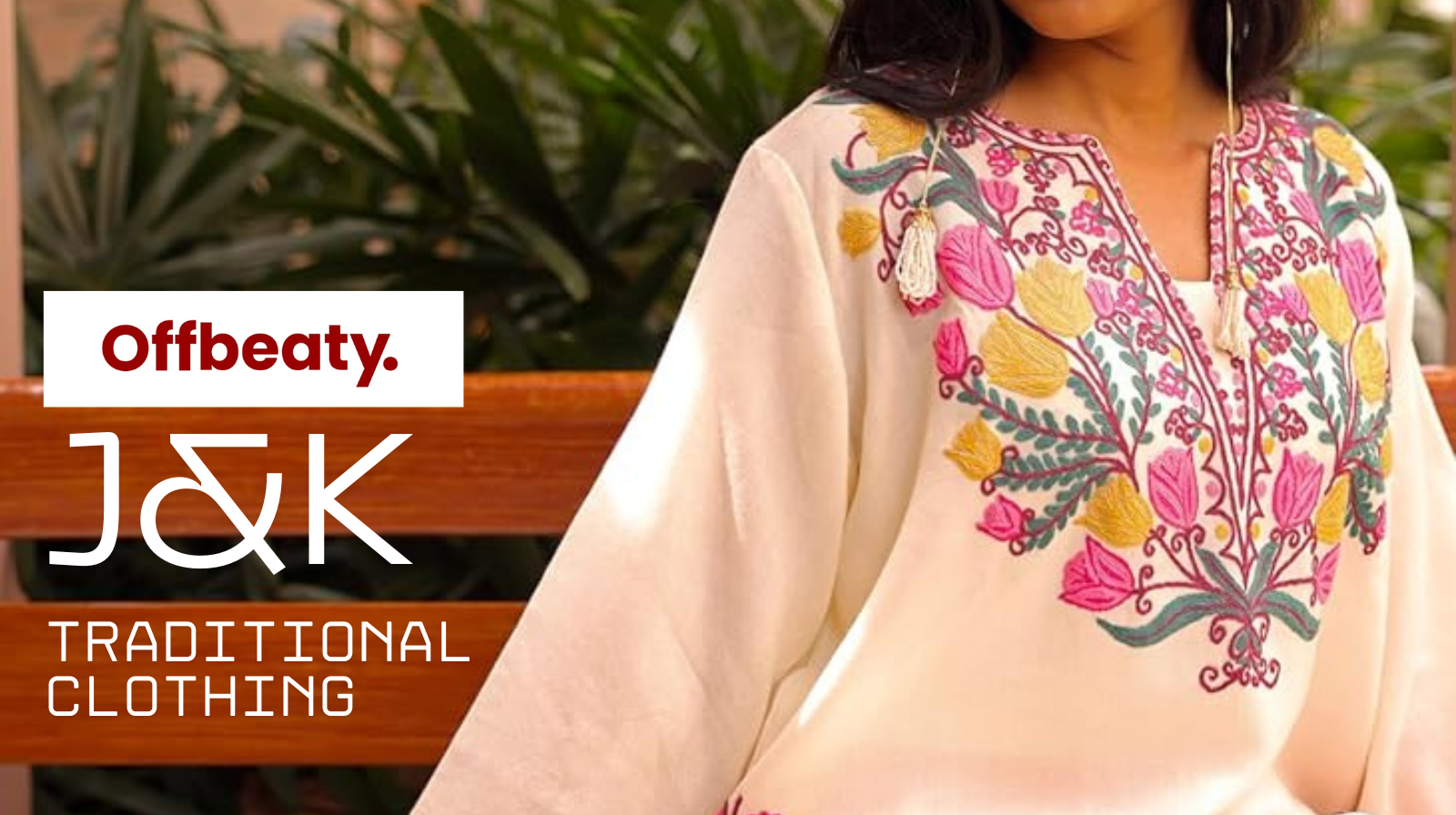
The iconic garment for Kashmiri women is the Pheran (or Phiran), a long, loose-fitting woollen gown that falls to the ankles or feet:
- Made from wool (often called ‘loch’ for heavier versions) or lighter cotton/silk blends.
- Features wide sleeves and a flowing silhouette, allowing space for a kangri (portable fire pot) underneath for warmth in winter.
- Adorned with beautiful Zari (gold/silver thread), Kashida embroidery, or floral motifs around the collar, hemline, pockets, and front.
Women pair the Pheran with loose trousers like Poots or Shalwar, and a dupatta or scarf. Hindu women historically wear the distinctive Taranga, an elaborate headgear with a conical cap, net-like fabric, and long trailing cloth (often brightly colored), symbolizing marital status, especially during weddings.
Jewelry includes heavy silver pieces, earrings, necklaces, and bangles, complementing the elegant, modest look.
Traditional Attire for Men
Kashmiri men also wear the Pheran, typically simpler and plainer than women’s versions:
- Loose, long robe with narrow sleeves, often in neutral tones like grey, brown, or beige.
- Paired with Shalwar (loose trousers) or Churidar, and sometimes a Loi (shawl) draped over the shoulders.
- Headgear includes turbans (Mughal-style) or caps, with Pashmina shawls for added warmth.
The design prioritizes functionality in the harsh winters while maintaining a dignified appearance.
Accessories and Textiles
No Kashmiri traditional ensemble is complete without Pashmina shawls, luxurious, lightweight wool from the undercoat of Changthangi goats. These feature renowned techniques:
- Sozni: Fine needle embroidery with intricate, reversible patterns.
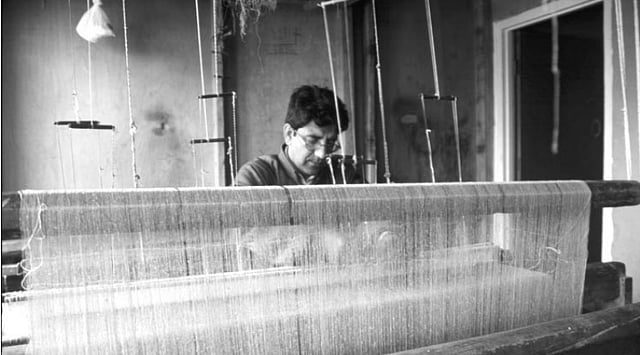
- Kani: Twill tapestry weaving with paisley and floral motifs.
- Aari: Chain-stitch work for detailed designs.
Shawls serve as wraps, scarves, or heirlooms, often passed down generations.
Cultural Significance
Kashmiri clothing embodies resilience against the cold, blending utility with artistry. The Pheran fosters a sense of community (people share warmth under it), while embroidery and Pashmina preserve ancient skills of local artisans. Though modern fashion influences urban areas, traditional wear thrives during Eid, Shivratri, weddings, and cultural events, symbolizing heritage, elegance, and the timeless beauty of Kashmir.