Chipotle Mashed Potatoes With A Vegan Twist

When it comes to holiday dinners, one of my absolute favorite side dishes is mashed potatoes. Probably one of the reasons why I love it so much is because they are nearly always homemade – not made from a box (please don’t make your holiday mashed potatoes from a box!) – and they usually have those little lumps of potatoes that escaped the masher. I always enjoy trying other people’s mashed potatoes, too, to see how they like to make them. There are so many variations to mashed potatoes, from the creamy to the rustic to the unexpected.
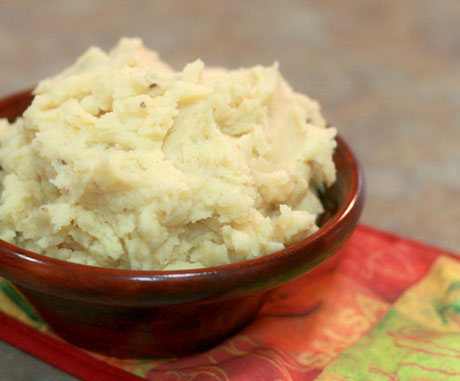
This recipe, I hope, falls into the unexpected category. It’s rare to find chipotle peppers in mashed potatoes, but they, along with the fresh garlic, add a little bit of a kick and flavor that is entirely satisfying. Because of the wonderful mixture of flavors, I’d recommend forgoing the gravy and stick to serving this with vegan butter or vegan sour cream instead.
Chipotle Mashed Potatoes
- 2 pounds red potatoes (about 8-10 potatoes), peeled and cubed
- 2 teaspoons salt
- 2 tablespoons vegan butter
- 2-3 chipotle peppers in adobo sauce, minced
- 2 cloves garlic, minced
- 1/4 cup vegan mayonnaise
- 1/4 cup vegan sour cream or plain vegan yogurt
Prepare your red potatoes by peeling and cubing them. Place them in a saucepan, cover with water, and boil until tender, about 20 minutes.

Preparing potatoes to boil
While the potatoes are boiling, mince your chipotle peppers and garlic, and gather together your other ingredients.

Getting other ingredients ready
Once your potatoes have finished cooking, drain them. Add the salt, vegan butter, minced chipotle peppers, minced garlic, and vegan mayonnaise. You can also add the vegan yogurt now, however I chose to add it in the next step. Mash everything together with a potato masher, or to make your potatoes smoother use a hand mixer. Add in the soy yogurt now if you have not already.
Tip: To reduce calories, use plain vegan yogurt in place of the vegan mayonnaise. This would increase your vegan yogurt to 1/2 cup.

Mashing the potatoes and the other ingredients together
Taste test to see if you are satisfied with both the flavors and consistency. To make it creamier you can add a little bit more vegan yogurt.
Suggested variations
- Don’t have or like chipotle, but still want to make it spicy? Try using jalapeños, either fresh or from a jar.
- For some, the garlic might be too intense still raw, so try roasting it. This will make the garlic not be quite as spicy, but will still give the dish a nice garlic flavor.
- Make the potatoes taste a little cheesy by adding in nutritional yeast and/or a handful of your favorite shredded vegan cheese.

A spicy twist on mashed potatoes
What is your favorite way to make mashed potatoes?